
Microneedling of pigment spots
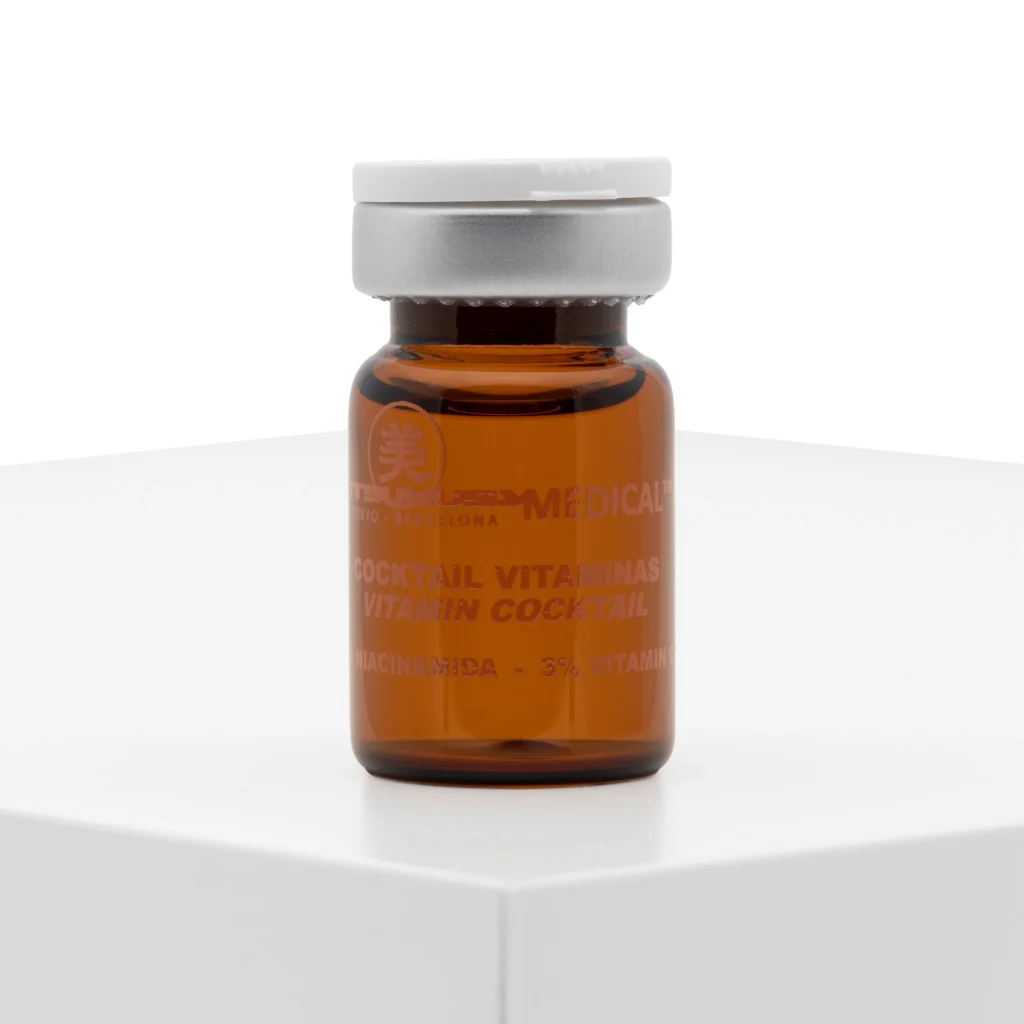
Content: 5 Milliliter (€438.00* / 100 Milliliter)
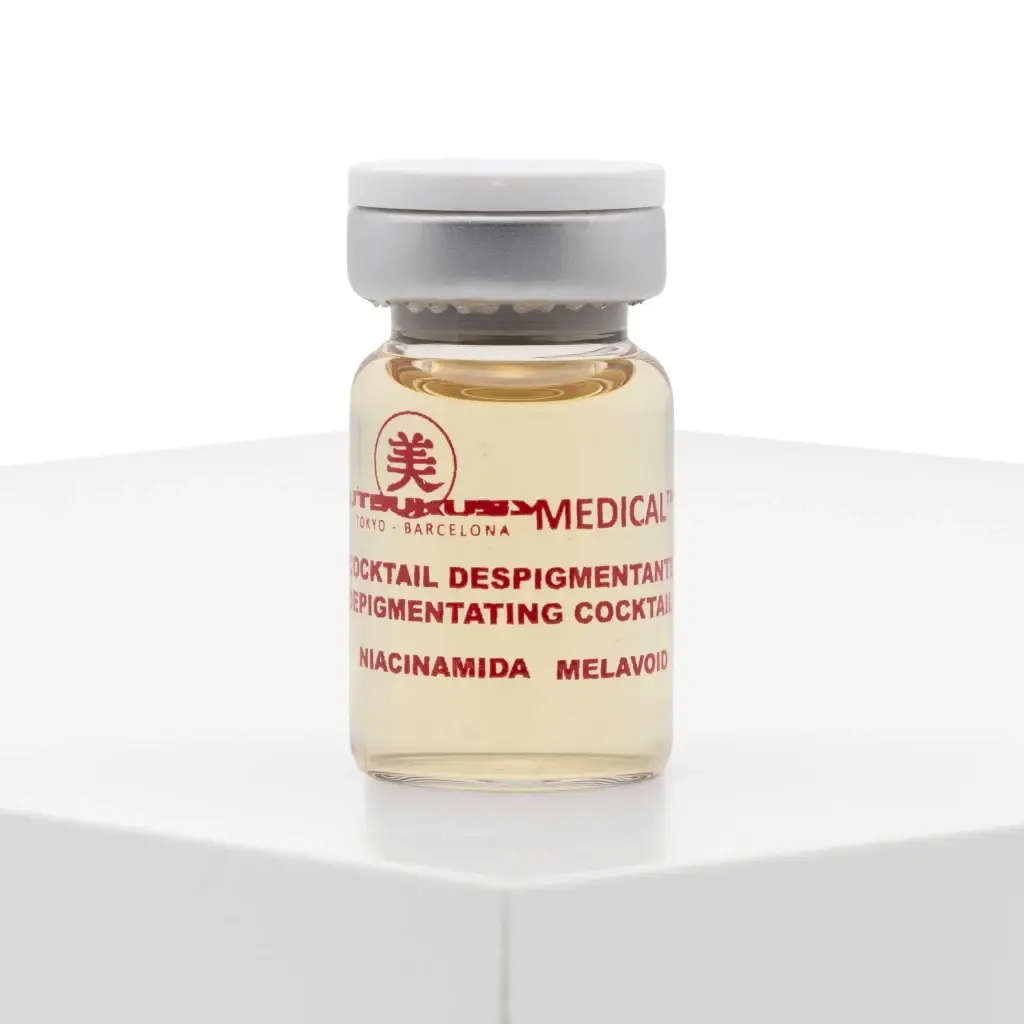
Content: 5 Milliliter (€438.00* / 100 Milliliter)

Content: 5 Milliliter (€438.00* / 100 Milliliter)
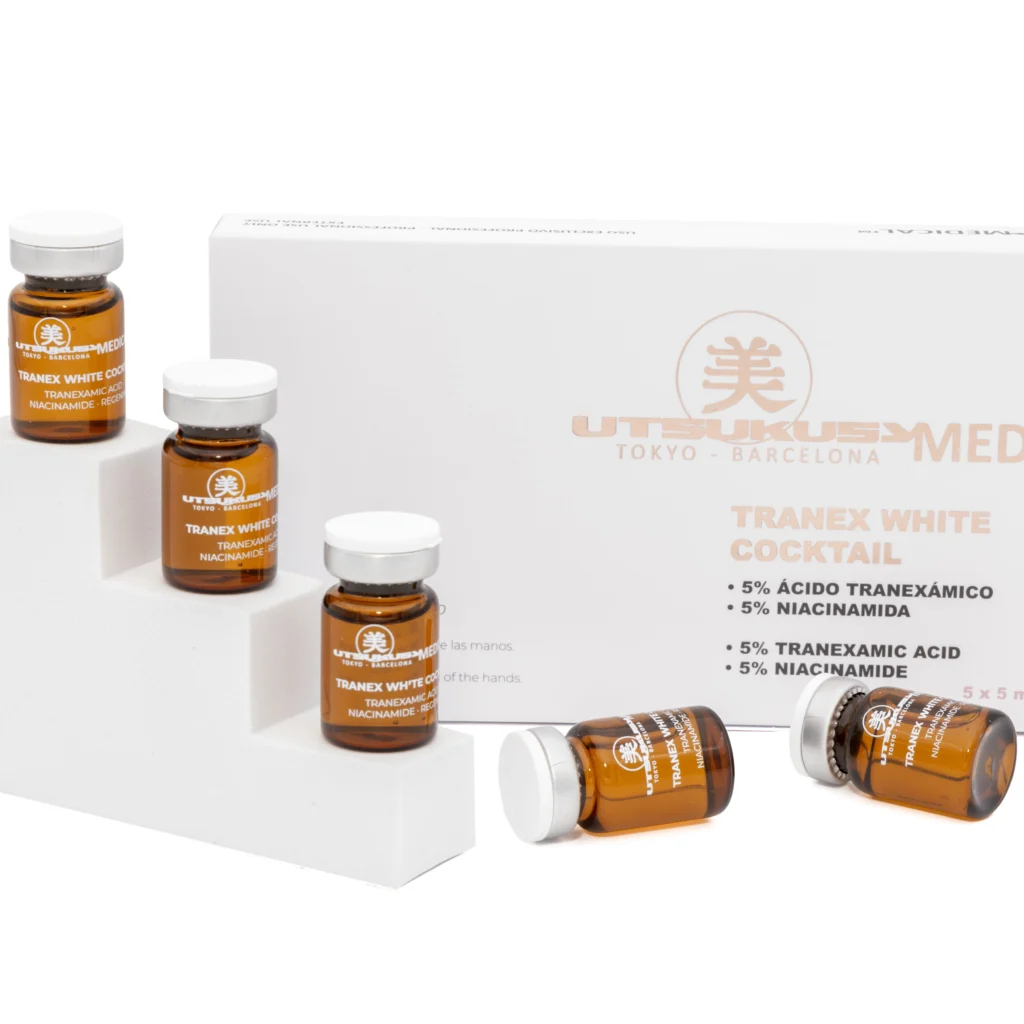
Content: 5 Milliliter (€438.00* / 100 Milliliter)


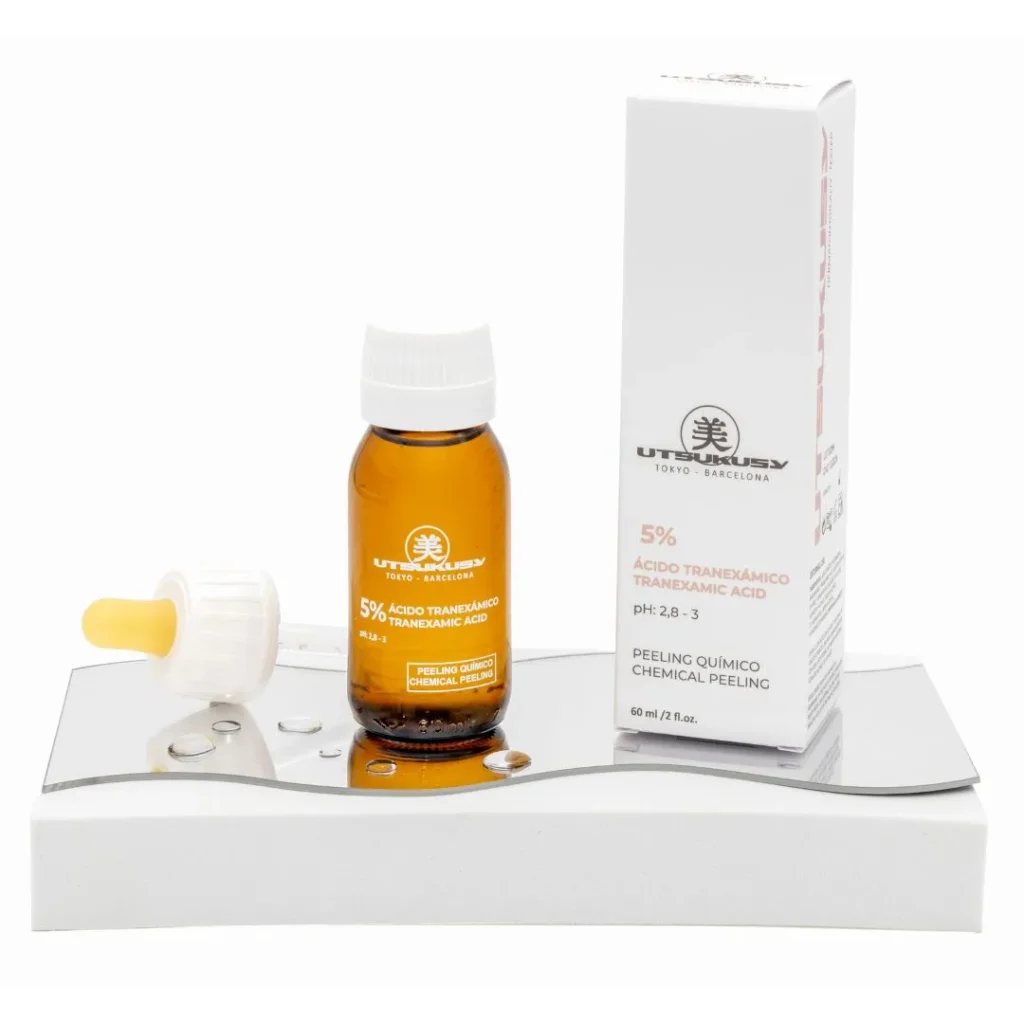

Content: 50 Milliliter (€139.80* / 100 Milliliter)

Content: 30 Milliliter (€199.67* / 100 Milliliter)

Content: 30 Milliliter (€223.00* / 100 Milliliter)


Treating pigmentation spots with microneedling
Removing pigment spots with microneedling is a frequently used, successful cosmetic treatment method today, as pigment spots are often perceived as annoying and a sign of ageing.
Pigment spots are very common, as around 80% of all people have skin discolouration on some part of their body.
Pigment spots are particularly common in areas that are usually more exposed to the sun.
These include the scalp, face and hands.
There are various causes and different types of pigment spots. We would like to explain both in more detail below.
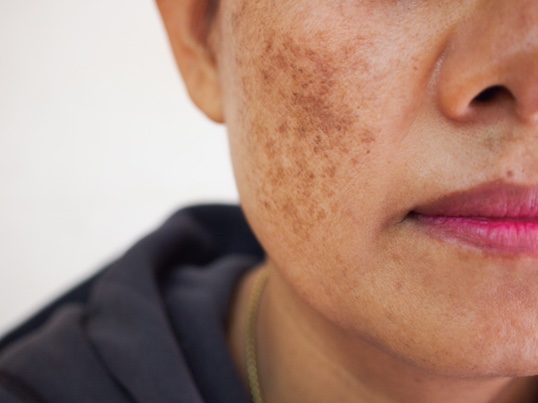
Causes of pigment spots
Of course, UV radiation is not the only cause of pigmentation spots.
In addition to the sun, hormonal fluctuations, such as those associated with pregnancy, skin diseases, genetic predisposition and the use of certain medications can also lead to pigment spots.
Light-coloured skin spots also frequently occur after inflammation, as is often the case with acne, for example.
In contrast to hyperpigmentation, these are referred to as post-inflammatory hypopigmentation.
The white spot disease, known as vitiligo, is also a type of hypopigmentation.
There are also other causes of pigmentation spots, which is why we recommend that you consult a dermatologist before undergoing treatment.
Different types of pigmentation spots
As you have read above, there are many different reasons for pigmentation spots.
It is therefore understandable that there are also many different types of pigmentation spots.
We will briefly discuss the most important types below.
Pigment spots or age spots
The cells in the skin that produce the colour pigment melanin are called melanocytes.
They are located in the basal cell layer of the epidermis.
But they are not only found there, as they are also located in the hair follicles, where they are responsible for hair colour through their melanin production.
The natural, and if there is no pigmentation disorder, even pigmentation of the skin serves to protect the skin from intensive UV radiation, which can penetrate into the deeper layers of the skin.
However, if pigmentation disorders occur, your skin may produce too much of the colour pigment melanin in places, which can lead to pigmentation spots.
This occurs particularly frequently with intensive and frequent sun exposure.
As a rule, age spots are nothing more than pigment spots that occur as a result of being exposed to the sun more often with increasing age than is the case in younger years.
Age spots as well as other pigment spots caused by UV radiation can be treated well with microneedling. You can find out more about the best way to remove pigmentation spots with microneedling below.
Pigmentation spots during pregnancy
The development of pigmentation spots during pregnancy, known as melasma or chloasma, is linked to your altered hormone balance.
If you develop pigmentation spots during your pregnancy, we advise you not to do anything at first, as in most cases the pigmentation spots will disappear on their own.
So give your skin some time after pregnancy and don't rush things.
Post-inflammatory pigmentation spots after acne
Post-inflammatory pigmentation marks after acne are often visible as light-coloured patches of skin.
In contrast to pigment spots caused by excessive and frequent UV radiation, they are not caused by excessive melanin production but by insufficient melanin production, which is why they fall under the term hypopigmentation rather than hyperpigmentation.
This type of pigmentation can also be treated with microneedling. More on this later.
Moles
Moles, which are often also referred to as liver spots, are usually genetic.
Genetic moles can be visible immediately after birth, but they can also appear later.
You should not try to remove moles with microneedling, as you will not succeed and it can also be very dangerous if the supposedly harmless mole is a melanoma (black skin cancer).
If you want to get rid of a mole, please go to a dermatologist!
Freckles
Freckles have the characteristic that their intensity goes hand in hand with the intensity of UV radiation.
This means that the more you expose your skin to the sun, the more freckles will form.
This means that before you try to remove freckles with microneedling, you should try to avoid sun exposure.
Although you can treat them with microneedling and thus minimise them somewhat, they will always reappear more frequently when exposed to UV radiation as they are genetically determined.
White spot disease (vitiligo)
Vitiligo or white spot disease is a skin disease.
Vitiligo is not hyperpigmentation, but a pigment disorder that results in hypopigmentation.
For this reason, it is important that you consult an experienced dermatologist for treatment.
We strongly advise against a microneedling treatment.
Removing pigmentation spots - microneedling combined with fruit acid peeling
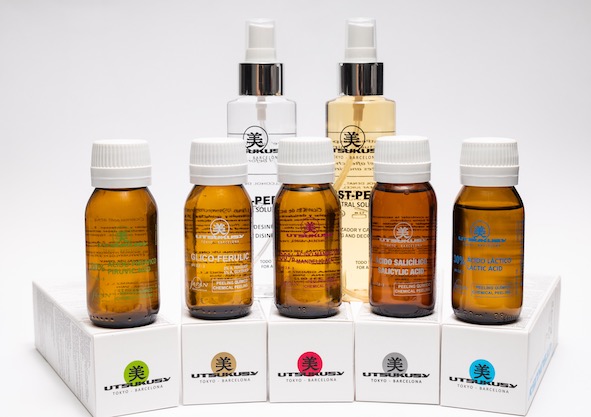
To remove pigmentation spots quickly and successfully with microneedling, we recommend pretreating the skin with a fruit acid peel.
Please note: Many fruit acid peels are only intended for professional use, as anyone applying an acid to their facial skin should know what they are doing.
Of course, the same applies to microneedling treatments.
If, for example, you use a fruit acid peel with a very low pH value, which means it is very intensive, and you exceed the maximum exposure time of the peel, this can lead to damage to your skin through chemical burns.
However, in experienced hands, fruit acid peels provide excellent results, which is why we also recommend combining fruit acid peel treatments with microneedling treatments.
As a fruit acid for pigmentation spots, we recommend tranexamic acid, mandelic acid or azelaic acid to break up melanin accumulations and minimise pigmentation spots.
After thoroughly cleansing the facial skin, first carry out the peeling treatment according to the manufacturer's instructions and then perform the microneedling treatment.
The following article in the Microneedling Journal may be of interest to you on this topic: Fruit acid peels from Utsukusy in combination with microneedling
Which serum is the right one to remove pigmentation spots with a Dermaroller or Dermapen?
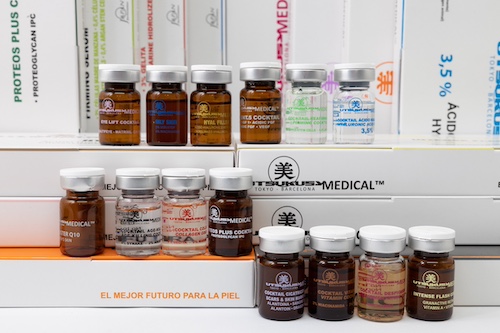
To remove skin spots with microneedling, Utsukusy Cosmetics offers the Tranex White Cocktail, the Depigmenting Serum, the Scars and Skin Marks Cocktail, which was specially developed for scars and skin spots, and the C-Retinal Microneedling Serum.
You will find the Scars and Skin Marks Cock tail simply labelled Scar Serum.
The main active ingredients of the Tranex White Cocktail are tranexamic acid, niacinamide and regenerine.
The active ingredients in the depigmentation serum are melavoid and niacinamide.
The main active ingredients in the scar serum are allantoin and dragon blood.
The C-Retinal Serum is based on the active ingredients retinal and vitamin C
The use of the vitamin cocktail from Utsukusy Cosmetics with its active ingredients niacinamide and vitamin Calso makes sense.
To successfully remove pigmentation spots with microneedling, it certainly takes more than just a microneedling treatment.
And if you have already had a look around our website, you will already know that we believe that it makes sense not to always use the same serum, but that it is beneficial to use different serums.
Aftercare for microneedling pigmentation spots
Utsukusy Cosmetics has developed an entire care line for the treatment of pigmentation and skin spots. This care line against pigment spots is called TranexWhite. It also includes the Tranexamic Acid Peeling mentioned above and the TranexWhite Cocktail - a sterile microneedling serum against pigmentation spots.
You will also find the Tranex White Mask, a face mask against pigmentation spots, the TranexWhite Serum (face serum) and theTranex White Cream (face cream) in this skincare line .
These three products are ideal as aftercare after a microneedling treatment against pigmentation spots.
In the following, we will briefly show you the chronological procedure for microneedling against pigmentation spots with the Tranex White products.
Procedure of a microneedling treatment with the Tranex White care line
Cleansing the skin
- Cleanse the skin of the face, neck, décolleté and hands with Basic Cleansing Milk. Remove with water.
- Cleanse your skin with Bijin Facial Cleansing Cream by working it into the skin in circular movements for approx. four minutes Rinse off with plenty of water.
- Apply micellar water with two cotton pads, gently dab or sweep over the skin. Remove with water.
Preparing the skin with a tranexamic acid peel
- Apply Pre-Peel Solution to the face, neck, décolleté and hands with a gauze pad (do not remove).
- Apply the tranexamic acid peel to the skin with a fan brush or gauze pad and optionally work into the skin with a Dermapen with nano-needle head (for Enpitsu Pro.7: speed 3 - yellow LED light).
Leave on for at least 4 to 8 minutes (do not remove). - At the end of the application time, apply Post-Peel Solution. Leave on for 2 to 4 minutes. Remove with plenty of water.
Microneedling treatment against pigmentation spots
- Apply Tranex White Cocktail zone by zone, approx. 2.5 ml for the entire face. Do not remove.
- If you are using the LED Dermapen Enpitsu Pro.7, switch on the green LED light and set it to speed 6.
- Needle head with 12 or 36 needles, depending on the skin sensitivity of the person to be treated.
Booster treatment
- Apply the Flawless Lifting Mask, leave on for 6-8 minutes and then remove.
- Tranex White Mask - Apply cream mask. Leave on for 8 minutes and then remove.
- Optional: Do not remove the mask and take it off the next morning during facial cleansing.
Concluding the treatment
Apply Tranex White Cream with upward movements to achieve optimal results. Finish the treatment with a sun cream with SPF 50, followed by CC, DD or EE cream.
Daily application
In the morning:
On cleansed, dry skin, apply Tranex White Serum to the face, neck and décolleté using gentle movements. Then work in the Tranex White Cream with a gentle massage until it is completely absorbed. Finally, apply a sun cream with SPF 50.
In the evening:
On cleansed, dry skin, apply Tranex White Serum to the face, neck and décolleté using gentle movements. Then apply the Tranex White cream.
In the Microneedling Journal you will find many interesting tips for your microneedling treatment in the following articles:
- Microneedling at home | Instructions for Dermapen and Dermaroller
- Microneedling treatment with Dermaroller or Dermapen | Instructions from A - Z
- Tranexamic acid - a highly effective active ingredient for pigmentation spots
- Fruit acid peelings from Utsukusy in combination with microneedling
Please note:
The products offered here are exclusively cosmetic products within the meaning of the EU Cosmetics Regulation (Regulation (EC) No. 1223/2009). They are not classified as medical devices and are not intended to diagnose, treat, cure or prevent any disease.
If the product description refers to "sterile" products, this refers exclusively to the sterile packaging and not to the fact that the product itself is certified as a sterile medical device.
Certain products are expressly intended only for commercial use by professionally trained personnel (e.g. beauticians, alternative practitioners, studios). These products must not be used without appropriate expertise. Please observe the respective instructions in the product description.
The effects and results described refer to cosmetic care and do not replace medical or alternative practitioner treatment. In the case of existing skin diseases or health complaints, we recommend seeking medical advice before use.
All instructions for use, blog posts and product descriptions are for information purposes only and do not constitute medical advice. Use is at your own responsibility and risk.