
Treat acne scars with microneedling

Salicylic acid peeling (BHA) with a pH value of 2.8 - 3.0 Salicylic Acid Exfoliant is one of the most effective and versatile chemical exfoliants on the market today. The special formulation contains a high concentration ofsalicylic acid, which can help reduce blemishes, acne, wrinkles and fine lines. It has a special position among chemical peels or fruit acid peels because it is not an alpha-hydroxy acid (AHA) but a beta-hydroxy acid(BHA), which is why it is often referred to as aBHA peel. How does a peel with salicylic acid work? Salicylic acid is the only fruit acid that is lipophilic. Lipophilic means that it is able to remove fatty deposits and impurities from the skin. This also explains why it is the first choice for oily and combination skin, as it is able to remove excess sebum (seborrhoea) from the pores. Of course, this also helps to prevent your pores from becoming larger. However, this is not the only positive property, as it also has an anti-inflammatory and antibacterial effect, making it ideal for counteracting the inflammatory processes caused by bacteria in pimples, blackheads and acne-prone skin. It removes dead skin cells, stimulates the body's own production of collagen and thus leads to smoother, radiant facial skin. Who doesn't know them? They look like small keratinised pimples and are mainly found on the upper arms, thighs and buttocks. Colloquially, this rough skin with small pimples is known as chafing skin. The technical term for this is keratosis pilaris. If you suffer from chafing skin, peelings with salicylic acid will be a great help. Not forgetting its ability to remove corneocytes, which are dead skin cells in the form of skin flakes, from the skin, which also contributes to skin renewal and fulfils its reputation as an anti-ageing treatment. In addition to its anti-ageing abilities, salicylic acid also reduces hyperpigmentation. Summary: Anti-inflammatory and antibacterial Stimulates collagen synthesis Exfoliates dead skin cells Eliminates impurities and sebum secretions Reduces enlarged pores Reduces keratosis pilaris Reduces the tendency to blackheads, pimples and acne Smoothes the skin texture Reduces hyperpigmentation You can find more information on the chemical and physical properties on Wikipedia under Salicylic acid. Why is salicylic acid peeling (BHA) so effective? The formulation of this peel is particularly effective in treating oily skin, blemishes, acne-prone skin and pores clogged with sebum and dead skin cells. Benefits: Reduces acne: The skincare experts have developed this product especially for people who suffer from oily skin, blemishes and acne-prone skin. It not only deeply cleanses the pores, but also promotes the rapid healing of inflammation. Reduces pores: The use of salicylic acid can help to reduce the size of pores. By removing keratinised skin cells and reducing clogging, pores can actually appear smaller. Improves skin texture: This facial scrub can help improve skin texture by removing keratinised skin cells and promoting the skin's natural collagen production. The result is smoother, more even skin. Gentle exfoliation: As it is very gentle and non-invasive, it is also suitable for all skin types, including sensitive skin. Contents of the Salicylic Acid Peeling Set: Pre-Peel Solution 150 ml The pre-peel solution disinfects the skin and prepares it for the treatment. Pre Peel Solution Salicylic acid peeling 60ml You start the actual peeling process by applying the salicylic acid. Salicylic acid Post-peel solution 150ml The post-peel solution stops the peeling process as it neutralises the effect of the salicylic acid. For this reason, the post-peel solution is often referred to as a neutraliser. Post Peel Solution Application: On already cleansed skin: Apply Pre-Peel Solution to the face, neck and décolleté using a gauze. Then apply the salicylic acid with a fan brush. Leave on for a minimum of 4 minutes and a maximum of 8 minutes. After the time has elapsed, remove the excess acid with a dry gauze and apply the Post-Peel Solution. Leave on for 1 to 4 minutes. Wash off with plenty of water. Warning: This cosmetic product is intended for professional use only. After using this product: Avoid sun/use sun protection. Avoid contact with eyes and mucous membranes. In case of contact, rinse with plenty of water. For external use only. Do not swallow. Keep out of the reach of children. You can find more fruit acid peels under: Chemical peels Frequently asked questions about salicylic acid peels: How does salicylic acid (BHA) work against acne & pimples? Salicylicacid, known as beta hydroxy acid (BHA), is a real fighter in the ring against acne and pimples. Its mode of action is like a targeted cleansing action deep inside your pores. It penetrates the openings of the hair follicles, where sebum and dead skin cells often combine to form a mix that clogs the pores and leads to blackheads and inflamed pimples. Thanks to its fat-soluble properties, it can dissolve this mixture of oil and skin cells. Imagine, like a detective looking for clues, the acid sneaks into the pores and dissolves the substances that can lead to acne. It has a keratolytic effect, which means that it promotes the exfoliation of skin cells, which in turn reduces the likelihood of pores becoming clogged. It also has anti-inflammatory properties that help to reduce redness and swelling - a blessing if your skin is irritated and you want quick relief. To get the best results, it is important to use this facial scrub regularly and according to the instructions. However, overuse or improper use can lead to dryness or irritation, so pay attention to your skin's feedback and adjust use accordingly. Can I use salicylic acid (BHA) during pregnancy? This fruit acid, also known as beta hydroxy acid (BHA), is a popular ingredient in skincare products. However, during pregnancy, the guidelines for skincare change. The skin absorbs active ingredients and these can also reach the unborn child via the bloodstream. For this reason, its use is generally discouraged during pregnancy, especially in the higher concentrations found in medical skincare products or fruit acid peels. It is important that every pregnant woman speaks to her doctor individually about suitable skin care products. The health of the baby always comes first, and therefore it is better to avoid certain products when in doubt and opt for safe alternatives. What are the differences between salicylic acid and fruit acids? Fruit acids, technically known as alpha-hydroxycarboxylic acids (AHAs), are natural acids that, as the name suggests, can be extracted from fruit. They have the marvellous ability to exfoliate the skin by breaking down the bonds between dead skin cells. This promotes cell renewal and gives the skin a fresher appearance. Classic fruit acids include malic acid, citric acid, glycolic acid, lactic acid and tartaric acid. Interestingly, salicylic acid is also a fruit acid, if you define the term a little more broadly. It is a beta-hydroxycarboxylic acid and belongs to the phenolic acids. Although it has similar uses in skin care , such as reducing acne and exfoliating the skin, it has unique properties. Its lipophilic (fat-soluble) nature allows it to penetrate the pores and work deeply, which distinguishes it from the water-soluble AHAs. As a phenolic acid, it offers anti-inflammatory benefits as well as exfoliating properties. It can therefore help to reduce redness and inflammation. Does this product contain parabens? Ingredients are always in the spotlight in the skincare industry, and one of the most common questions concerns the use of parabens in products. Parabens are preservatives used in many cosmetic formulations to prevent the growth of bacteria and mould. However, there is a growing demand for paraben-free products due to concerns about their impact on health and the environment. Based on the list of ingredients, we confirm that Utsukusy Cosmetics' Salicylic Acid Peel does not contain parabens. The preservatives used in this product include phenoxyethanol, ethylhexylglycerin, and caprylyl glycol, which are considered alternatives to parabens and can be found in many modern skincare formulations. The main active ingredients in this product are known for their exfoliating properties. Niacinamide, another ingredient, is a form of vitamin B3 that is valued for its anti-inflammatory properties and ability to improve the appearance of pores and even out skin tone. Can I use this salicylic acid peel at home? It is important to emphasise that products specifically labelled for professional use usually contain higher concentrations of active ingredients and therefore carry an increased risk of side effects if used incorrectly. At Utsukusy Cosmetics, as with many other professional brands, such products are intended for use by trained professionals who know how to use them safely and effectively. Salicylic acid is a beta hydroxy acid(BHA) exfoliant that can exfoliate the upper layers of the skin, resulting in a fresher, more refined complexion. However, because it is an acid, using it without proper knowledge and experience can lead to irritation, over-exfoliation and sun damage. The warnings are very clear: For professional use only: this means that the product requires specialised handling and application techniques, which are usually taught during professional training courses for skin care experts. Avoid sun/use sunscreen: The acid can make the skin more sensitive to light, which increases the risk of sunburn and other sun damage. It is crucial to use a highly effective sunscreen after use to protect the skin. Avoid contact with eyes and mucous membranes: These areas are particularly sensitive and contact could cause painful irritation. For external use only: This means that it should not be ingested as it is intended for skin use only. Keep out of the reach of children: Due to its potentially hazardous nature, it should be stored carefully. For these reasons, we advise against home use unless you are a trained and experienced skincare professional yourself. Do I need to use a neutraliser with this salicylic acid? We can assure you that when using Utsukusy chemical peels, it is crucial to normalise the pH of the skin after the peel. This is necessary because chemical peels temporarily alter the skin's natural acid mantle. The use of a post-peel solution, i.e. a neutraliser, is an important step in this process. This neutraliser helps to stop the activity of the acid and brings the skin back into a safe pH range. This minimises the risk of irritation and burns and allows the skin to recover better. Can I use this salicylic acid only on the face or also on the body? This salicylic acid peeling is not only suitable for the face, but also for the body. Salicylic acid is a beta hydroxy acid(BHA) that penetrates deep into the pores to unclog and promote skin renewal. This makes it an excellent choice for treating skin conditions such as keratosis pilaris, also known as chapped skin. Keratosis Pilaris is characterised by small, hard pimples caused by excessive production of keratin, which leads to blockage of the hair follicles. It is common on the upper arms, thighs, buttocks and sometimes the face. Exfoliation can help to clear these blockages and smooth the appearance of the skin. When using on the body, bear in mind that the skin here may be thicker than on the face, meaning it may be less sensitive, but also that the penetration of the acid needs to be deeper to be effective. If there are signs of irritation or intolerance, you should discontinue use and consult a skincare expert or dermatologist. How often should I use the salicylic acid peel? We recommend that you tailor the use of a salicylic acid peel to your skin type and the condition of your skin. Salicylic acid has a keratolytic effect, which means that it loosens connections between dead skin cells and thus helps to remove them. It also has anti-inflammatory properties, which can be particularly helpful for acne. To start with, it is advisable to use it once every 14 days to see how your skin reacts to it. Look out for signs of irritation or hypersensitivity, such as redness, burning or dryness. If your skin responds well to the scrub, the frequency of use can be increased to once a week. However, it is important not to use it too frequently as this can cause skin irritation. Always bear in mind that the use of acid peels can reduce your skin's protection against UV radiation. It is therefore essential to wear a high sun protection factor during the treatment period and for a week afterwards, even if you are not directly in the sun. Which serum and cream should I use after a salicylic acid treatment? Basically, your choice of skincare products should be based on your skin type and skin problem. For example, if you suffer from oily, greasy and acne-prone skin, we recommend using the Perfect Skin Serum (Cremi-Gel Serum) and then the Perfect Skin Cream (Cremi-Gel Cream) for your daily skincare routine. Otherchemical peels from Utsukusy Cosmetics: Mandelic acid peeling Pyruvic acid peelingLactic acid peelingSuccinic acid peelingTranexamic acid peelingGlycolic acid/ferulic acid peeling The following articles in our Microneedling Journal might be interesting for you: Fruit acid peelings in combination with microneedling Peeling in cosmetics - an introduction to mechanical and chemical peelings such as fruit acid peelings Microneedling for oily skin, acne and pimples Treating acne scars with microneedling Microneedling for pigmentation spots Treat wrinkles with microneedling Microneedling at home | Instructions for Dermapen and Dermaroller Microneedling treatment with Dermaroller or Dermapen | Instructions from A - Z

Mandelic acid peeling: the ideal solution for demanding skin More and more people are turning to cosmetic treatments to optimise their skin care. One option is mandelic acid peeling, which is an alpha hydroxy acid(AHA) and is becoming increasingly popular due to its effectiveness. Mandelic acid peeling is the best choice for oily skin, enlarged pores, hyperpigmentation, freckles, acne and acne scars as well as fine lines and wrinkles. Mandelic acid peeling, ideal for acne scars Mandelic acid peeling, a chemical peeling for professional users from Utsukusy Cosmetics, is characterised by its high molecular weight, which ensures that it penetrates the skin more slowly and is therefore less irritating. It is therefore particularly gentle and ideal for combating skin ageing such as fine lines, wrinkles and fine lines and improving the skin's appearance. It also helps to stimulate cell division and thus create a smoother and finer skin texture.The mandelic acid peeling from Utsukusy Cosmetics is also an excellent choice before microneedling treatments. This is because it ensures that the active ingredients used in microneedling can penetrate the skin better. The set contains everything you need for a professional peel: 60 ml natural acid with a pH value of 2.8 to 3.0, a pre-peel disinfectant solution 150 ml and a post-peel neutralisation solution 150 ml. Mandelic acid peel: areas of application and benefits It is suitable for a variety of skin problems such as wrinkles, fine lines, oily and acne-prone skin, hyperpigmentation and freckles as well as light-induced skin ageing. Acid peeling can also be used to treat scars, especially acne scars. Wrinkles and fine lines Oily and acne-prone skin Pigment spots and freckles Photoaging, i.e. light-induced skin ageing Scars, especially acne scars The properties of the peeling help the skin to renew itself and become firmer. The skin is freed from dead cells and can therefore distribute pigments more evenly. Active ingredients applied after a peel can also penetrate deeper into the skin. Mandelic acid peeling: contraindications The peeling should not be used if you have Almond allergy Open wounds Dermatitis Severe couperose Fresh scars Acute herpes infections Diabetes / wound healing disorders Pregnancy / breastfeeding Known allergies to ingredients Taking retinoids (vitamin A) Bacterial or viral infections of the skin (e.g. boils, carbuncles, tuberculosis) Laser treatments in the last 6 months Tumour disease / chemotherapy Properties of mandelic acid Over the course of time, the skin produces less and less collagen, which reduces the elasticity and resilience of the skin - the connective tissue loses its firmness. Now is the time for fruit acids to be used. Of course, this not only applies to ageing skin, but also to skin conditions such as acne scars, pigmentation spots, large pores or freckles that bother you. Fruit acids can penetrate the uppermost layers of the skin. They stimulate cell division, which makes it easier to remove the superficial horny scales. Fruit acids re-energise the skin by stimulating regeneration and the skin's own collagen production. In addition, the removal of part of the upper skin layer reduces wrinkles and fine lines. Fruit acids loosen the cell bonds between the individual horny cells, making it easier to remove the top layers of skin and dead horny scales. The regeneration of keratinocytes is also stimulated, which leads to a thickening of the epidermis. This makes the skin more resistant and better able to retain moisture. Fruit acid peels not only lead to a smoother and finer skin texture, but also to a radiant and even complexion, as pigmentation spots and age spots are also whitened and the skin's pigments are evenly distributed. After a mandelic acidpeel, active ingredients that are applied to the skin can be better absorbed and penetrate deeper into the skin. Mandelic acid peel before microneedling - synergy for radiant skin A mandelic acid peel before a microneedling treatment is the perfect preparation for radiant skin. It is a true helper that gently but effectively combats impurities, dead skin cells and fine lines. Used before a microneedling treatment, the acid plays a crucial role in preparing your skin for the revitalisation to come. Gentle exfoliation: Mandelic acid, derived from almonds, is known for its gentle exfoliating action. This peeling gently removes dead skin cells, opens the pores and smoothes the skin's surface. This creates the ideal base for microneedling, as the needles can penetrate the skin more effectively to achieve optimal results. Refined skin texture: The combination of mandelic acid peeling and microneedling aims to refine the skin texture. The peel prepares the skin by removing impurities, while microneedling stimulates collagen production and improves the skin's texture from the inside out. The result? An even, radiant complexion. Maximising the absorption of active ingredients: The acid gently opens the top layer of skin, which improves the absorption of nourishing active ingredients during the microneedling treatment. The synergistic effect of both procedures enables deeper penetration of serums and creams, providing the skin with maximum moisturisation and radiant results. Reduction of skin problems: Acid derived from almonds has anti-inflammatory properties that can help reduce skin problems such as acne and hyperpigmentation. Using it before microneedling therefore offers a double benefit: reducing skin problems and promoting collagen production for healthier skin. Application of the fruit acid peel On clean skin: Apply Pree-Peel Solution with a gauze to the face, neck and décolleté. Then apply the chemical peeling (acid) with a fan brush. Leave the fruit acid peeling on for at least four minutes, maximum eight minutes. After the time has elapsed, remove the excess mandelic acid (AHA) with a dry gauze and apply the post-peel solution. Leave on for one to four minutes. Remove the remains of the peeling and the post-peel solution with plenty of water. Warning: The Utsukusy MandelicAcid Peeling has a pH value of 2.8 - 3.0 and is intended for professional use only. It may therefore only be used by professional users. Contents of the mandelic acid peeling set This set from Utsukusy contains all the products needed to perform a professional exfoliation. It contains 60 ml of acid with a pH value of 2.8 to 3.0, a pre-peel disinfectant solution 150 ml and a post-peel neutralisation solution 150 ml. The pre-peel disinfectant solution thoroughly cleanses and disinfects the skin and prepares it for the application of the peel solution. The post-peel neutralisation solution has a strong moisturising and decongestant effect after the treatment. It neutralises the skin's pH value and brings it back into balance. Good to know: It is good to know that the effectiveness of fruit acid peels depends not only on the type of fruit acid used and the percentage of fruit acid used (e.g. fruit acid peel with 30% mandelic acid), but also on the pH value. The lower the pH value, the more effective and aggressive the peeling. Frequently asked questions about chemical peels Does a mandelic acid peel help with wrinkles? Mandelic acid, a member of the alpha hydroxy acid (AHA) family, is known for its gentle but effective exfoliating ability. Exfoliating with this acid works by removing dead skin cells, which can result in finer, smoother skin. Another positive aspect is its ability to promote collagen production. Collagen is essential for skin elasticity and firmness, which means that exfoliating with mandelic acid can definitely have a place in anti-wrinkle skincare. However, it is important to emphasise that the results of such a peel are more subtle, especially when compared to more invasive techniques such as microneedling. Microneedling creates fine micro-injuries in the skin, which triggers a more intense healing response, including increased collagen and elastin production. This method can have a more pronounced effect in reducing wrinkles and improving skin texture. Now, although mandelic acid peels are a milder option, they have the benefit of causing less downtime and irritation. They are particularly suitable for more sensitive skin types or for those who prefer a gentler approach. It is also an excellent skin preparation before microneedling as it cleanses and prepares the skin for the absorption of active ingredients during the microneedling treatment. It is also worth noting that the effectiveness of peels depends not only on the concentration and pH value, but also on the regularity of applications and subsequent skin care. Products from Utsukusy Cosmetics, for example, provide a professional kit for such a peel, including a pre-peel disinfectant solution and a post-peel neutralisation solution to achieve optimal results. Does a mandelic acid peel make sense for pigmentation spots? The acid extracted from almonds belongs to the alpha hydroxy acids (AHA), which are known for their effective action in the treatment of hyperpigmentation, such as skin spots and uneven skin tone. When used regularly, this AHA helps to loosen the bonds between the dead skin cells that remain on the surface of the skin. By removing this layer, fresh, younger cells are exposed, resulting in a lightened appearance of dark spots and a more even skin tone. Additionally, it stimulates skin renewal and increases the rate of cell turnover. This increase in the rate of cell turnover can help to fade pigmentation spots more quickly and prevent new discolouration from developing. It also favours improved absorption of lightening skin care products that are applied after peeling. In addition, the acid extracted from bitter almonds is able to break up and reduce melanin accumulations. Is mandelic acid in peels good for the skin? Mandelic acid in scrubs can be very good for your skin. It promotes cell renewal, improves the complexion and reduces fine lines. This makes it an effective ingredient in cosmetic skin care. However, please note: an overdose can cause skin irritation. So always follow the instructions for use! Is mandelic acid an AHA? Yes, it is definitely an AHA (alpha hydroxy acid). It is extracted from bitter almonds and is known for its gentle but effective exfoliating effect. It helps to remove dead skin cells and promotes cell regeneration, improving the appearance of your skin. Therefore, mandelic acid peeling is a great choice. How often should you use mandelic acid peeling? We recommend that you initially use mandelic acid peeling every 14 days. Carefully observe how your skin reacts and watch out for potential signs of irritation or hypersensitivity, such as redness, burning or dryness. If your skin reacts positively to the peeling, you can increase the frequency of application to once a week. However, we strongly advise against using it too often, as this can lead to skin irritation. After all, a gentle and well-designed skincare regime is the key to healthy and radiant skin. Information about Utsukusy Cosmetics Utsukusy combines ancient Japanese traditions with the latest scientific findings. The company has been developing high-quality beauty products and sterile serums for cosmetic studios, beauty institutes and selected retailers since 1979. The range includes a variety of sterile serums for microneedling and BB Glow treatments. Fruit acid peels and highly effective creams are also part of the constantly growing product portfolio. Microneedling.tips has added Utsukusy's products to its range because the company never rests on its laurels, but continuously develops its products and is therefore always one step ahead of the competition. State-of-the-art cosmetics for results that make all the difference. You can find more fruit acid peels in the section: Chemical peelsSalicylic acid peelLactic acid peelSuccinic acid peelSuccinic acid peelTranexamic acid peelGlycolic/ferulic acid peeling Interesting articles Fruit acid peelings from Utsukusy in combination with microneedling Treat pigmentation spots with microneedlingPlease note: The products offered here are exclusively cosmetic products within the meaning of the EU Cosmetics Regulation (Regulation (EC) No. 1223/2009). They are not classified as medical devices and are not intended to diagnose, treat, cure or prevent any disease. If the product description refers to "sterile" products, this refers exclusively to the sterile packaging and not to the fact that the product itself is certified as a sterile medical device. Certain products are expressly intended only for commercial use by professionally trained personnel (e.g. beauticians, alternative practitioners, studios). These products must not be used without appropriate expertise. Please observe the respective instructions in the product description. The effects and results described refer to cosmetic care and do not replace medical or alternative practitioner treatment. In the case of existing skin diseases or health complaints, we recommend seeking medical advice before use. All instructions for use, blog posts and product descriptions are for information purposes only and do not constitute medical advice. Use is at your own responsibility and risk.
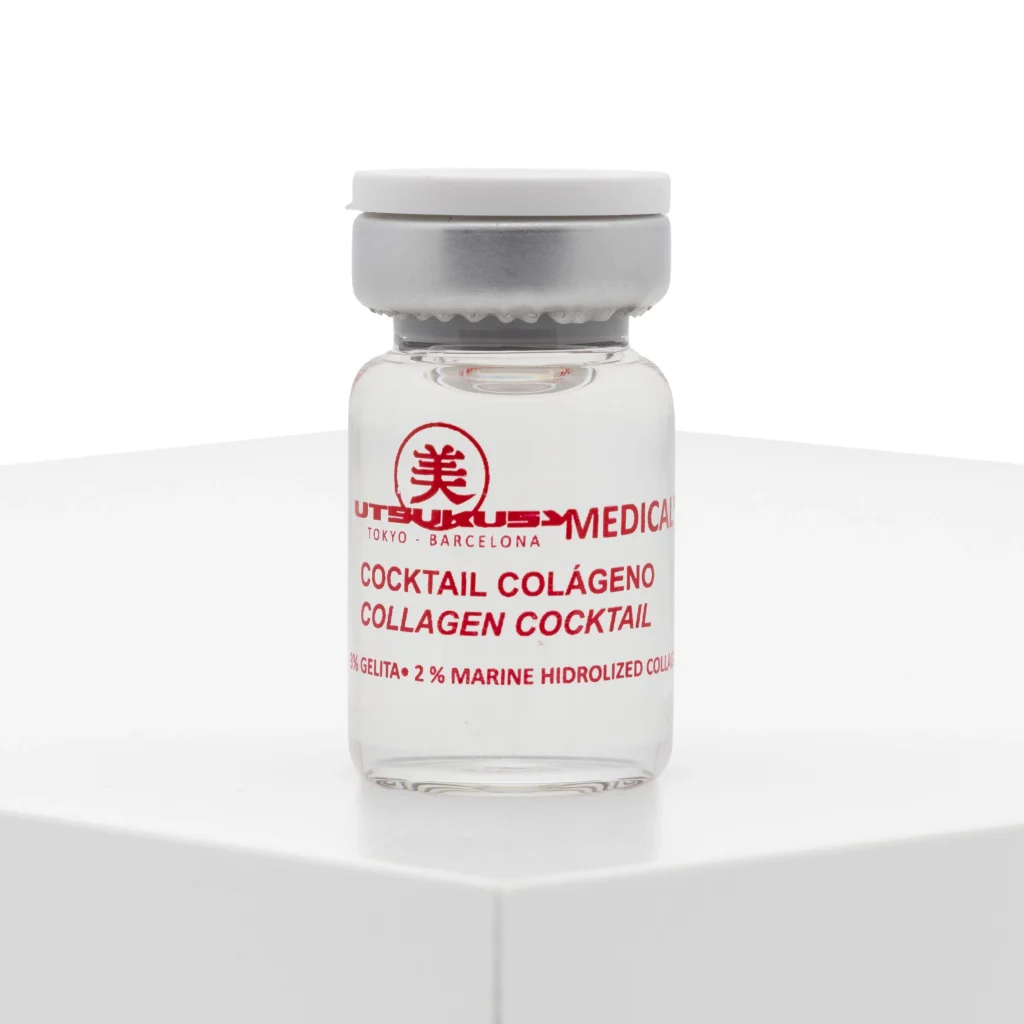
Collagen microneedling serum (collagen cocktail) for radiant and youthful skin The sterilised collagen microneedling serum in the form of the Collagen Cocktail from Utsukusy Cosmetics is one of our bestsellers in the microneedling serum range. It is a sterile serum that has been specially developed for professional users of microneedling with a Dermapen or Dermaroller. However, this collagen microneedling serum can also be used with other automated cosmetic treatments or applied manually, for example after a peel. The innovative serum contains two different types of collagen to achieve the best possible results. The power of Gelita and marine collagen The sterile serum contains 3% Gelita, a high-quality collagen, and 2% marine, hydrolysed, low-molecular collagen. This unique combination of collagen types works synergistically to promote skin regeneration and correct existing wrinkles. At the same time, it protects against new wrinkles and intensively moisturises the skin. Collagen microneedling serum: skin regeneration and wrinkle reduction Collagen is a structural protein that occurs naturally in the skin, particularly in the middle layer of the skin, the dermis. It plays a decisive role in the elasticity and firmness of the skin. However, as we age, collagen production decreases, which can lead to wrinkles and sagging skin. For this reason, it has been used successfully in anti-ageing cosmetics for many years.Similar to hyaluronic acid (hyaluron), it has the ability to store large amounts of water. By storing moisture in the skin, it can help to plump up the skin and visibly reduce fine lines and wrinkles. This collagen microneedling serum from Utsukusy Cosmetics offers you precisely these benefits and helps your skin to regain its youthful radiance. Application and dosage of the collagen microneedling serum One ampoule of collagen serum contains 5 ml of serum, which is sufficient for 3 to 5 microneedling applications. Each ampoule comes with a syringe and a needle for sterile removal to ensure hygienic application. The collagen microneedling serum can be used with various techniques such as microneedling, electroporation, electrophoresis and iontophoresis. It is also suitable for manual application after a peeling or other cosmetic treatments. Ampoule with 5ml collagen serum Ingredients of the collagen microneedling serum AQUA (WATER), PROPANEDIOL, HYDROLYSED COLLAGEN, ALCOHOL DENAT., HYDROXYETHYLCELLULOSE, CELLULOSE, ISOPROPYL ALCOHOL, SODIUM ACETATE, SODIUM BENZOATE, ETHYLHEXYLGLYCERIN, 1,2-HEXANEDIOL, CAPRYLYL GLYCOL, PHENOXYETHANOL, POLYSORBATE 20. Good to know: Microneedling is a popular method for stimulating collagen production in the skin and improving the effectiveness of active ingredients. During needling, tiny needles are inserted into the skin, creating micro-channels. These tiny injuries stimulate the skin's natural healing response and promote collagen production. For this reason, the microneedling treatment method is often referred to as collagen induction therapy (CIT) or collagen induction therapy (KIT). This alone shows the important role that collagen plays in microneedling. The name is based on the fact that the micro-injuries caused by the needles during needling stimulate the body's own production of collagen.The combination of needling with this serum from Utsukusy offers you a synergistic effect. The fine needles of the DermaPen or dermaroller help it to penetrate deep into the skin, where it can develop its regenerating and plumping effect. This improves the skin's structure, reduces wrinkles and gives the skin a fresh and youthful appearance. Microneedling collagen serum - ingredients for cosmetic applications The collagen microneedling serum from Utsukusy contains carefully selected ingredients that have been specially developed for cosmetic applications. In addition to the two main ingredients, Gelita and marine collagen, other high-quality ingredients are included to optimise your skincare experience.It is important to note that this serum is free from parabens, silicones and other harmful additives. Utsukusy places great importance on the quality of their products and only uses ingredients that are dermatologically tested and well tolerated. Frequently asked questions (FAQs) about the sterile microneedling collagen serum from Utsukusy Cosmetics Why is collagen so important for our skin during microneedling? It is a protein that the body can produce itself and plays a very important role in our body in the formation of connective tissue, bones and teeth. It can bundle into fibres, giving it a very high tensile strength. It is able to store a lot of water and acts like a booster. Similar to hyaluronic acid (hyaluron), it is able to plump up the skin somewhat, which can make small wrinkles and fine lines disappear. It plays a crucial role in microneedling with a dermaroller or dermapen as it supports the structural integrity of the skin and is responsible for its elasticity and firmness. Needling involves inserting tiny needles into the skin to create micro-channels. These tiny injuries trigger a natural healing response in the skin. When the skin is injured, the body triggers the repair mechanism. As a result, collagen and other growth factors are released to repair the damaged areas. Needling stimulates collagen production, which leads to increased production of new collagen fibres. The use of this collagen serum during microneedling further enhances this effect. The serum penetrates the deeper layers of the skin through the microchannels created and delivers high-quality ingredients directly to where they are needed. This intensifies the regeneration and repair of the skin. Collagen improves the skin's firmness and firmness, resulting in a smoother and more youthful appearance. Where is collagen found in our skin? Our skin is made up of layers: Epidermis (upper layer of skin), Dermis (middle layer of skin, also called dermis) and Subcutis (lower layer of skin). It is located in the middle layer of the skin, the epidermis, where it is responsible for the elasticity and firmness (resilience) of the skin. As we produce less and less of it with increasing age, our skin loses its elasticity and the first wrinkles appear. In addition, our skin can no longer store as much moisture, which further increases the loss of elasticity. How long does it take for results to become visible after a microneedling treatment? The results can vary depending on the individual skin condition. However, you will usually notice initial improvements after the first treatment. However, the final results will only be visible after a few weeks. To achieve optimum results, we recommend continuous application over a longer period of time. Is Collagen Microneedling Serum suitable for all skin types? Yes, Utsukusy's collagen microneedling serum is suitable for all skin types. It has been dermatologically tested and is well tolerated. However, if you have particularly sensitive skin or suffer from skin conditions, we recommend that you consult a dermatologist before use. How often should I use the collagen serum with microneedling? The frequency of application can vary depending on your needs. When used in combination with microneedling, we recommend at least 4 to 6 microneedling treatments every 8 to 10 days to start with. Once you have reached your treatment goal, one treatment every 4 weeks should be sufficient. Which serum and cream should I use after a microneedling treatment with the collagen serum from Utsukusy Cosmetics? Firstly, we would like to congratulate you on opting for a microneedling treatment with collagen serum. This innovative method of improving the appearance of the skin has proven to be particularly effective in treating wrinkles and sagging skin. After such a treatment, it is important to provide your skin with the right care. A suitable serum and cream play a particularly important role here. As you have already noticed, you mentioned that you prefer products from Utsukusy Cosmetics. In this case, we would like to recommend the Hyaluron Active Complex Set from Utsukusy Cosmetics. This set consists of a serum and a face cream. Both products are rich in hyaluronic acid. This active ingredient is known for its ability to plump up the skin and retain moisture. It can help to reduce wrinkles and keep the skin supple. Active ingredient ampoules can also be used as a booster between microneedling treatments. A good option here is the Multi Active Complex Repair Serum with Hyaluron (Hyaluronic Acid, Sodium Hyaluronate) from Utsukusy Cosmetics. It supports the skin's regeneration process and can help to optimise the results of the microneedling treatment. Another important aspect that should not be overlooked is sun protection after microneedling treatments. The skin is more sensitive to UV radiation after the treatment, so good sun protection is essential. We recommend the Utsukusy sun cream SPF 50 with UVA + UVB filter. To summarise, we recommend the following products from Utsukusy Cosmetics for the aftercare of a microneedling treatment with collagen serum: Hyaluron Active Complex Set (serum and face cream) Multi Active Complex Repair Serum (as a booster between treatments) Utsukusy SPF 50 sun cream with UVA + UVB filter Experience the transformative power of Utsukusy's sterile microneedling collagen serum Discover the many benefits of this collagen serum and give your skin the care it deserves. You can find more sterile serums from Utsukusy Cosmetics in the Microneedling Face section of our online shop. Many buyers of this serum also opt for the following microneedling serums: 3.5% Hyaluron Serum (uncross-linked hyaluronic acid) Hyal Filler (cross-linked hyaluronic acid) Placent.5 Cocktail (epidermal growth factors) Vitamin Cocktail (vitamin C and niacinamide, ampoule with 5ml) Firming Serum from Utsukusy The following articles in our Microneedling Journal may be of interest to you: The science behind microneedling: collagen and its importance for radiant skin Microneedling treatment with Dermaroller or Dermapen | Instructions from A - Z Microneedling at home | Instructions for Dermapen and Dermaroller Microneedling serums - a closer look at the active ingredientsTreat wrinkles with microneedling Back to the homepagePlease note: The products offered here are exclusively cosmetic products within the meaning of the EU Cosmetics Regulation (Regulation (EC) No. 1223/2009). They are not classified as medical devices and are not intended to diagnose, treat, cure or prevent any disease. If the product description refers to "sterile" products, this refers exclusively to the sterile packaging and not to the fact that the product itself is certified as a sterile medical device. Certain products are expressly intended only for commercial use by professionally trained personnel (e.g. beauticians, alternative practitioners, studios). These products must not be used without appropriate expertise. Please observe the respective instructions in the product description. The effects and results described refer to cosmetic care and do not replace medical or alternative practitioner treatment. In the case of existing skin diseases or health complaints, we recommend seeking medical advice before use. All instructions for use, blog posts and product descriptions are for information purposes only and do not constitute medical advice. Use is at your own responsibility and risk.
Content: 5 Milliliter (€458.00 / 100 Milliliter)
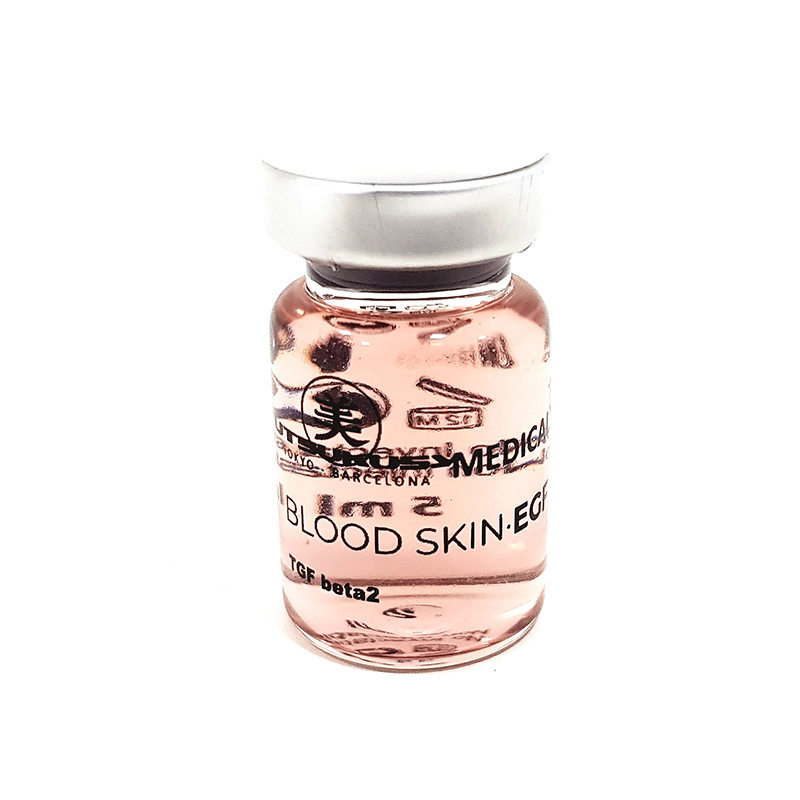
Blood Skin EGF Serum: Sterile EGF microneedling serum for radiant skin Blood Skin EGF Serum: The abbreviation EGF in the name of Blood Skin EGF Microneedling Serum stands for Epidermal Growth Factors. These are epidermal growth factors. They are responsible for the outstanding effectiveness of this microneedling serum. But what are epidermal growth factors? Blood Skin EGF Microneedling Serum Epidermal Growth Factors (EGF): the natural communication elements of the skin You are probably wondering what is behind the abbreviation EGF serum. EGF stands for Epidermal Growth Factors. Epidermal growth factors, or EGF for short, are proteins that occur naturally in our bodies. They have the ability to stimulate the growth and division of cells on the skin. But not only that, EGF also play a decisive role in wound healing and the regeneration of skin cells. They are therefore an important building block for healthy, radiant skin. But how exactly do Epidermal Growth Factors work? The key lies in their ability to improve communication between our cells. They send out signals that stimulate our skin cells to divide and renew themselves more quickly. This can help to slow down the ageing process of the skin and minimise the appearance of wrinkles and fine lines. Now you may be wondering why Epidermal Growth Factors are important in a microneedling serum. The answer is simple: Microneedling creates tiny micro-injuries in the skin. These injuries stimulate your body's natural healing response, leading to the production of collagen and elastin - the key proteins for firm and youthful skin. EGFs can further support this process by accelerating skin cell renewal and allowing the skin to heal even faster. Ideally, an effective microneedling serum should therefore also contain Epidermal Growth Factors. They can help to enhance the effect of microneedling and regenerate the skin more quickly. To summarise, Epidermal Growth Factors are: Proteins that occur naturally in our body They stimulate the growth and division of skin cells They improve communication between our cells They support wound healing and the regeneration of skin cells They can slow down the ageing process of the skin They enhance the effect of microneedling and help the skin to regenerate quickly. So if you are looking for an effective microneedling serum, you should look out for ingredients such as Epidermal Growth Factors. They can make a big contribution to your skincare success. The magic of Blood Skin EGF Serum Blood Skin EGF Serum from Utsukusy Cosmetics is the microneedling serum for promoting fibroblast proliferation and repairing deep wrinkles. An outstanding active ingredient is TGF Beta2 Key Active, which not only acts as a collagen booster and anti-wrinkle agent, but also protects against premature skin ageing caused by UV radiation, stress and environmental pollution. This serum is your reliable companion in the fight against the signs of time. The effect of Blood Skin EGF Serum in detail This serum has a variety of remarkable effects that make it an ideal companion for people looking for an effective microneedling serum. Firstly, Blood Skin EGF Ser um promotes collagen production. Collagen is a protein that is responsible for the firmness and elasticity of our skin. As we age, the body's collagen production decreases, leading to fine lines, wrinkles and sagging skin. By using Blood Skin Serum, natural collagen production is stimulated, resulting in firmer, smoother skin. Secondly, the active ingredient Nicotiana Benthamiana Hexapeptide-40 should be emphasised. This promotes the production of collagen and elastin in your skin and thus helps to combat the signs of ageing. H-Polypeptide-76, another active ingredient, supports cell communication and stimulates skin renewal. Activation of protein synthesis in the extracellular matrix: Thanks to immunofluorescence, it can be demonstrated that the expression of collagen type I and fibronectin in fibroblasts is significantly stimulated after just 24 hours of intensive treatment. Tissue renewal properties: Within just 24 hours of application, fibroblast proliferation increases by an impressive 220%. This means your skin can renew itself faster and appear more youthful. Stimulation of the SMAD route: The SMAD proteins, essential regulators of cell activity, are transported into the cell nucleus of fibroblasts after 30 minutes of intensive treatment. This process promotes efficient repair and rejuvenation of the skin. When should Blood Skin EGF Microneedling Serum be used? Blood Skin EGF Serum is ideal for various skin needs: Cellular stimulation of mature skin: If your skin is weakened and produces less collagen due to chronological ageing, this serum offers the perfect solution for active cell regeneration. Restoring skin structure: If your skin structure has been damaged, whether by sun exposure, stress or pollution, the serum can help to improve the condition of your skin. Reduction of expression lines:Thanks to the increased synthesis of collagen and fibronectin, expression lines are minimised and your skin is given a fresh, youthful appearance. Application of the microneedling serum with a dermaroller or dermapen Remove the microneedling serum from the sterile ampoule using a syringe and needle. Remove the needle from the syringe and apply the serum to a small area using only the syringe. Spread the serum on the skin with your fingers (gloves). Work in the Blood Skin EGF serum with a dermaroller or dermapen You can find out more about the procedure for a microneedling treatment in the following articles: Doing microneedling at home | Instructions for Dermapen and Dermaroller Microneedling treatment with Dermaroller or Dermapen | Instructions from A - Z The perfect combination: Blood Skin EGF Serum and Plasma Skin EGF Serum In the EGF product line from Utsukusy Cosmetics, you will find the Plasma Skin EGF Serum alongside the Blood Skin EGF Serum. These two beauty secrets can be combined to achieve maximum results. Our recommendation: Mix 1 ml of each serum for even more intensive care.Please note that our serum has a gel-like texture and is therefore not suitable for nebulisers and syringes. The enclosed needle and syringe are used exclusively for the sterile removal of the serum from the ampoule. Please also note that the serum is not suitable for injections. Plasma Skin EGF Microneedling Serum Conclusion: Radiant skin thanks to Blood Skin EGF Serum We are delighted to introduce you to the innovative Blood Skin EGF Microneedling Serum from Utsukusy Cosmetics. Epidermal Growth Factors are your natural source of youthful skin, and this serum harnesses their power to promote cell regeneration and rejuvenation. With outstanding active ingredients such as TGF Beta2 Key Active, your skin is protected from premature ageing while protein synthesis of the extracellular matrix is stimulated. Use this microneedling serum to stimulate mature skin, restore skin structure and reduce expression lines. Give your skin the attention it deserves and glow with timeless beauty. Don't forget: At Utsukusy Cosmetics, you'll also find Plasma Skin EGF Serum - the perfect addition to your beauty routine. Whether you are already familiar with microneedling and mesotherapy or are just starting out in the fascinating world of skincare, the Blood Skin EGF Serum will inspire you. Experience the transformative power of Epidermal Growth Factors and enjoy radiant, healthy skin. Contents: 5ml Ingredients of the Blood Skin EGF Serum Aqua (Water), Biosaccharide GUM-4, Propanediol, Alpha-Glucan Oligosaccharide, Alcohol Denat, Nicotiana Benthamiana Hexapeptide-40, H-Polypeptide-76, Algin, Hydroxyethylcellulose, Hydrochloric Acid, Tromethamine, Cellulose, Sodium Chloride, Isopropyl Alcohol, Sodium Acetate, Ethylhexylglycerin, Citric Acid, 1,2-Hexanediol, Caprylyl Glycol, Phenoxyethanol, Polysorbate-20, CI 42090, CI 28440, CI 16255, CI 19140, CI 16035 Further interesting articles: Microneedling serums - a closer look at the active ingredients Which needle length is the right one for microneedling? The best microneedling serum or meso serum for your skin Ampoules for the face - which are the right ones? The science behind microneedling: collagen and its importance for radiant skin The role of hyaluronic acid (hyaluron) in microneedling: more than just a trend Note: The products offered here are exclusively cosmetic products within the meaning of the EU Cosmetics Regulation (Regulation (EC) No. 1223/2009). They are not classified as medical devices and are not intended to diagnose, treat, cure or prevent any disease. If the product description refers to "sterile" products, this refers exclusively to the sterile packaging and not to the fact that the product itself is certified as a sterile medical device. Certain products are expressly intended only for commercial use by professionally trained personnel (e.g. beauticians, alternative practitioners, studios). These products must not be used without appropriate expertise. Please observe the respective instructions in the product description. The effects and results described refer to cosmetic care and do not replace medical or alternative practitioner treatment. In the case of existing skin diseases or health complaints, we recommend seeking medical advice before use. All instructions for use, blog posts and product descriptions are for information purposes only and do not constitute medical advice. Use is at your own responsibility and risk.
Content: 5 Milliliter (€558.00 / 100 Milliliter)
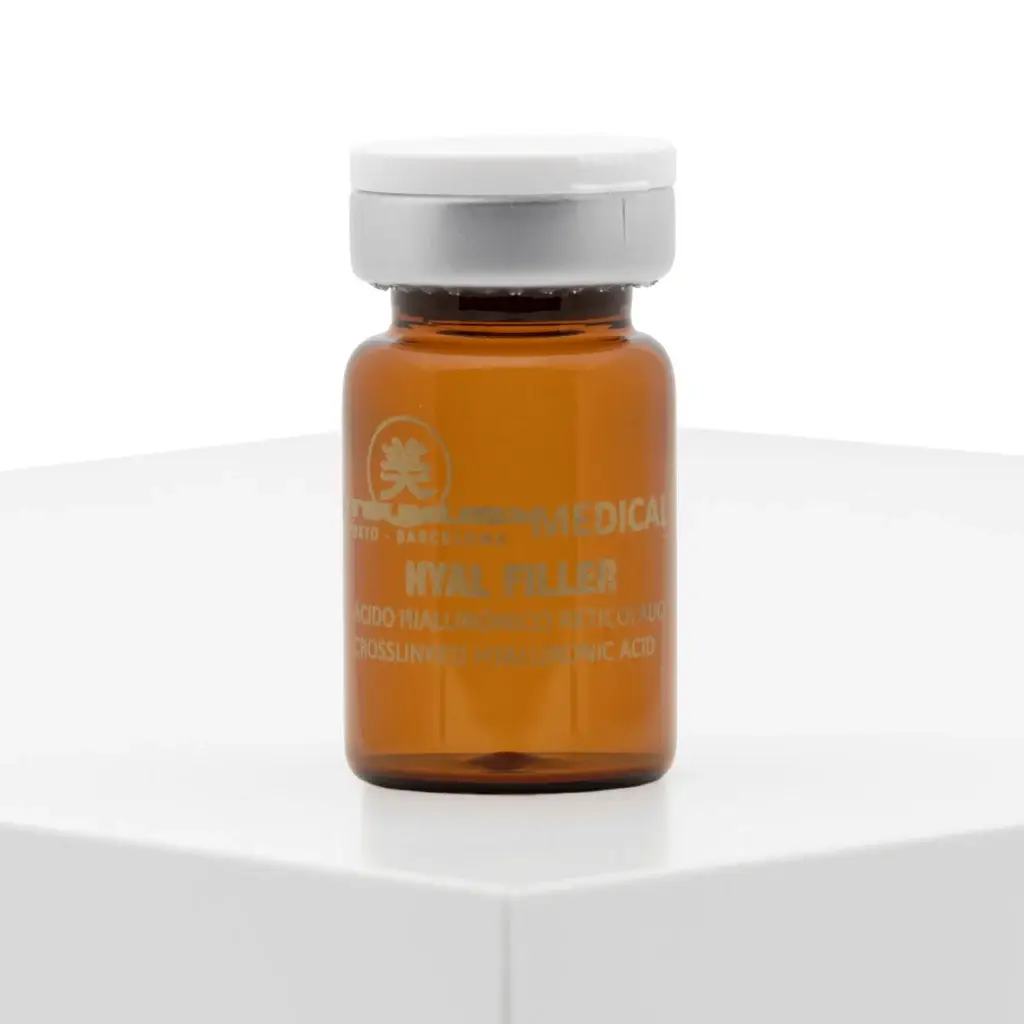
Hyal Filler - Sterile microneedling serum for radiant lips, smooth skin and a youthful appearance Hyal Filler - a sterile packaged microneedling serum with cross-linked hyaluronic acid, specially developed for the treatment of lips, scars and wrinkles. It is monophasic (contains no free hyaluronic acid) and therefore adapts optimally to the tissue to be treated. Hyal Filler Serum is fully absorbable, non-animal derived andblends perfectly into the skin. It has a uniform cross-linking consisting of 100% hyaluronic acid chains, which makes it more durable and resistant to degradation. The hyaluronic acid undergoes a purification process that enables the content of BDDE residues to be reduced to a minimum, thus ensuring maximum purity. BDDE stands for 1.4-butanediol diglycidyl ether or butanediol diglycidyl ether and is a commonly used substance for cross-linking hyaluronic acid. Hyal Filler: microneedling serum for lips, wrinkles and scars Some important ingredients of the Hyal Filler The experts at Utsukusy Cosmetics have carefully selected the best ingredients to create Hyal Filler Serum. Each component is designed to nourish, hydrate and give your skin a youthful glow. Here are some key ingredients at a glance: Sodium Hyaluronate Crosspolymer: This cross-linked hyaluronic acid is the star of our serum. It forms a stable matrix that binds water efficiently, making the skin appear plumper and smoother. Hydroxyethyl cellulose and cellulose: These natural thickening agents improve the texture of the serum so that it glides on your skin gently and smoothly. Propanediol, Pentylene Glycol and Caprylyl Glycol: These moisturisers help to maintain the skin's moisture content and make the skin feel comfortable.This formula is free from animal ingredients and contains no free hyaluronic acid. This allows the serum to adapt perfectly to your skin and deliver impressive results. Areas of application of the Hyal Filler: Wrinkles Scars, especially acne scars Enlargement, contouring and hydration of the lips Cheeks Pronounced nasolabial folds Mouth area Mimic wrinkles Hands Not suitable for injections! Good to know: Difference between cross-linked and non-cross-linked hyaluronic acid (hyaluron) Hyaluronic acid is a substance that is produced by the body itself. However, the body's own production begins to decline between the ages of 25 and 30. We are aware of the consequences, as the first wrinkles and fine lines appear. Hyaluronic acid, often just called hyaluron, is a polysaccharide. It therefore consists of long-chain sugar molecules. Hyaluronic acid has a special property, as it is able to store huge amounts of water in relation to its own weight. Our skin also benefits from this ability, as hyaluronic acid ensures that our skin can store moisture. However, if the moisture content in our skin decreases, the skin is no longer plumped up as much and wrinkles and fine lines appear. Microneedling with hyaluronic acid can compensate for the loss of moisture in the skin. Chemical formula of hyaluronic acid However, as both cross-linked and non-cross-linked hyaluronic acid can be used for this purpose, the question arises as to the difference and for which indication the respective hyaluronic acid serum should be used. When hyaluronic acid is cross-linked, the polysaccharide chains are linked together. This chemical reaction changes the properties of the hyaluronic acid. Cross-linked hyaluronic acid can, for example, store more water than non-cross-linked hyaluronic acid. The polysaccharide chains have also become more stable due to the cross-linking. This means that it is not broken down by the body as quickly and is therefore more durable. However, the cross-linking also changes the viscosity of the hyaluronic acid. This means that the more strongly a hyaluronic acid is cross-linked, the more difficult it is to introduce into the skin. Utsukusy Cosmetics has succeeded in bringing a cross-linked hyaluronic acid onto the market that does not have to be injected, but can be introduced into the skin using microneedling. Due to the improved stability of cross-linked hyaluronic acid, it is not only particularly suitable for treating deeper wrinkles and sunken (atrophic) scars such as acne scars, but is also ideal for increasing lip volume and treating perioral wrinkles. More beautiful, fuller and plumper lips with hyaluronic serum (hyal filler) - lip augmentation without lip injections The sterile Hyal Filler microneedling serum with its cross-linked hyaluronic acid is just right for microneedling lips. This is because, as described above, the cross-linked hyaluronic acid in Hyal Filler is able to store significantly more water than non-cross-linked hyaluronic acid. In addition, cross-linked hyaluronic acid is much more durable than non-cross-linked hyaluronic acid, as it is broken down much more slowly by the body. For this reason, products with cross-linked hyaluronic acid are usually used for hyaluronic acid injections. Start the treatment with the wrinkles around the mouth, the so-called perioral wrinkles. Use a Dermapen with a needle head equipped with 12 or 36 needles. We prefer a Dermapen, but you can also use a Dermaroller. You then needle the more sensitive lip area. Depending on your individual sensitivity to pain and the set stitch depth, it may also be necessary to switch to the special lip nano-needle head. With this lip nano-needle head, however, the serum can "only" be "tapped" into the lips. You can find more information on microneedling the lips under the heading Areas of application => Microneedling lips Hyal Filler - the ideal microneedling serum for acne scars After the healing of inflammatory acne, so-called acne scars often remain. Those affected often suffer greatly from this cosmetic impairment. Acne scars are very often atrophic, i.e. sunken scars. This means that the body has not formed enough tissue during the regeneration of the connective tissue so that the "new" skin does not reach the original skin level. This often leaves behind deeply sunken, clearly visible scars. This type of scar can be treated excellently with the Hyal Filler with cross-linked hyaluronic acid, as the cross-linked hyaluronic acid is able to compensate for the missing level of the sunken scar and thus visually ensures a more even skin appearance. You can find more information on microneedling for scars under the heading Areas of application => Microneedling acne scars A radiant future with the Hyal Filler Say goodbye to unsightly scars, annoying wrinkles and dry skin. With Hyal Filler Serum, you can achieve long-lasting results that will inspire you. Whether you want to plump your lips, improve the appearance of scars or fill in wrinkles and fine lines. Contents: 5ml Ingredients of the Hyal Filler Serum for microneedling treatments with a Dermaroller or Dermapen AQUA (WATER), PROPANEDIOL, ALCOHOL DENAT, SODIUM HYALURONATE CROSSPOLYMER, HYDROXYETHYLCELLULOSE, CELLULOSE, PENTYLENE GLYCOL, ISOPROPYL ALCOHOL, SODIUM ACETATE, CAPRYLYL GLYCOL, PHENOXYETHANOL, ETHYLHEXYLGLYCERIN, 1,2-HEXANEDIOL, POLYSORBATE 20. Other popular microneedling serums: 3.5% hyaluronic acid microneedling serum sterile Age Killer sterile microneedling serum Sterile collagen serum for microneedling Sterile scar serum for microneedling Q10 Booster Microneedling Serum Vitamin Cocktail sterile microneedling serum Here you can find all sterile microneedling serums. Frequently asked questions about Hyal Filler - microneedling serum for lips, scars and wrinkles What is a microneedling serum? We know how important it is to find the best products for skin care and regeneration. One such product is Microneedling Serum. This serum is specially formulated for use in needling, a process that perforates the skin with tiny needles to stimulate the body's natural healing response. What makes this serum special is its active ingredient: cross-linked hyaluronic acid. Compared to ordinary hyaluronic acid, cross-linked hyaluronic acid has a longer and stronger effect. It can store more moisture and thus ensures deeper and lasting hydration of the skin. This helps to reduce the appearance of wrinkles, scars and fine lines and make lips appear fuller and plumper. The microneedling serum offers the following benefits: It promotes cell renewal and improves skin texture. It helps to minimise the appearance of wrinkles, scars and fine lines. It strengthens the skin barrier and improves skin elasticity. It intensely moisturises and keeps the skin plump and healthy. To use the serum effectively, we recommend applying it before the microneedling treatment. The small holes created in the skin by needling allow the serum to penetrate deeper into the skin layers and develop its full effect. When choosing a serum, it is important to pay attention to the quality and ingredients. What active ingredients does Utsukusy's Hyal Filler Serum contain? The Hyal Filler Serum from Utsukusy is a specially developed formula that has proven to be extremely effective and efficient for microneedling applications for lips, scars and wrinkles. The speciality of this serum lies in its ingredients. The serum contains cross-linked hyaluronic acid, which plays an essential role in moisturising and retaining moisture in the skin. Cross-linked hyaluronic acid is a more advanced form of hyaluronic acid that has an even stronger moisturising effect as it remains in the skin for longer. This means it can effectively plump up the skin and fill wrinkles from the inside out. Another active ingredient to optimise moisture in the skin is caprylyl glycol. This active ingredient also has antimicrobial properties. Which needles should I use for microneedling the lips? Special care should be taken when microneedling the lips, as the lips are very sensitive and the skin is very thin. We therefore recommend a needle length of 0.25 mm to 0.5 mm to needle the lips. If you are afraid of needles or you are afraid to treat your sensitive lips with a regular Dermapen needle head, you can of course also use a special lip nano needle head. This lip nano needle head has a silicone pad with small bumps where the needles are normally located. The advantage of this needle head is that you don't have to worry about any pain. The disadvantage, however, is that it is not as effective as the "regular" needle head with 36 needles. Lip Nano needle head from Utsukusy Cosmetics Needling lips with Dermaroller or Dermapen? We all strive for perfect skin - smooth, radiant and flawless. One aspect of this is, of course, full and healthy lips. If you're interested in a microneedling treatment for your lips, you've come to the right place. Microneedling is one of the most effective methods of skin rejuvenation. It promotes collagen production and improves the appearance of scars, wrinkles and even lips. The question many people ask is: should you use a dermaroller or a dermapen for this procedure? After thorough research and analysis, we have come to the conclusion that the Dermapen is the better choice, especially for sensitive areas such as the lips. There are several reasons why we recommend the Dermapen: Adjustable penetration depth: the Dermapen has an adjustable penetration depth of the needles. This allows for a more precise and personalised treatment, especially in sensitive areas such as the lips. Less pain: Compared to the Dermaroller, the Dermapen causes less pain and discomfort. This is because the needles penetrate the skin vertically rather than rolling, resulting in less trauma and faster healing. Better results: Studies have shown that the Dermapen is a more effective way to improve scars, wrinkles and lips. Its ability to increase collagen production and rejuvenate the skin is unrivalled. Safety: The Dermapen is more hygienic and safer than the Dermaroller. Each treatment uses a new, sterile needle cartridge, minimising the risk of cross-contamination. To summarise, although the Dermaroller has its advantages, we believe that the Dermapen is the superior choice for microneedling lip treatments. With its adjustable penetration depth, less pain, better results and increased safety, the Dermapen is ideal for improving your skin health and aesthetics. Interesting articles on the topic of microneedling: Microneedling at home | Instructions for Dermapen and Dermaroller Which needle length is the right one for microneedling? Ampoules for the face - which are the right ones? Microneedling serums - a closer look at the active ingredients The role of hyaluronic acid (hyaluron) in microneedling: more than just a trend The best microneedling serum or meso serum for your skin The science behind microneedling: collagen and its importance for radiant skin Microneedling treatment with Dermaroller or Dermapen | Instructions from A - Z Treat wrinkles with microneedling Please note: The products offered here are exclusively cosmetic products within the meaning of the EU Cosmetics Regulation (Regulation (EC) No. 1223/2009). They are not classified as medical devices and are not intended to diagnose, treat, cure or prevent any disease. If the product description refers to "sterile" products, this refers exclusively to the sterile packaging and not to the fact that the product itself is certified as a sterile medical device. Certain products are expressly intended only for commercial use by professionally trained personnel (e.g. beauticians, alternative practitioners, studios). These products must not be used without appropriate expertise. Please observe the respective instructions in the product description. The effects and results described refer to cosmetic care and do not replace medical or alternative practitioner treatment. In the case of existing skin diseases or health complaints, we recommend seeking medical advice before use. All instructions for use, blog posts and product descriptions are for information purposes only and do not constitute medical advice. Use is at your own responsibility and risk.
Content: 5 Milliliter (€558.00 / 100 Milliliter)

Microneedling scar serum: effective treatment for smooth and healthy skin Microneedling scar serum from Utsukusy Cosmetics Do you suffer from unsightly scars that bother you and are therefore looking for an effective solution for the treatment of scars, be it acne scars, surgical scars or stretch marks? Then our microneedling scar serum is just the thing for you! Here you can find out everything you need to know about the microneedling scar serum from Utsukusy. We explain the main active ingredients, areas of application and give you helpful tips for successful use. Microneedling scar serum for microneedling with Dermaroller and Dermapen - ampoule 5 ml This microneedling scar serum is a concentrate for the intensive treatment of spots and scars (acne scars, surgical scars, stretch marks) with microneedling and other automated cosmetic treatments. It acts as a cell proliferator and epithelialisation stimulant as well as a "chemical cleanser", i.e. it helps to regenerate the tissue by accelerating the growth of "healthy tissue". Main active ingredients of the sterile microneedling scar serum Alantoin Alantoin is an active ingredient that is characterised by the fact that it accelerates the process of shedding dead or aged skin cells and replacing them with new cells. It promotes and accelerates the natural healing processes. In addition, it has been observed that the action of allantoin stimulates the formation of keratin, collagen and elastin, making our skin smoother and more elastic, giving it a healthier and rejuvenated appearance. Dragon Blood Dragon Blood is an extract from the dragon's blood tree (Croton lechleri) with a wide range of beneficial properties for skin care. It promotes the formation of collagen, improves and accelerates the healing process, has a strong anti-free radical effect, has an anti-inflammatory effect, facilitates wound healing by forming a protective layer, a physical barrier on the wound surface, which prevents microbial contamination and thus improves the healing process. Areas of application for the microneedling scar serum Treatment of scars and skin spots such as acne scars Surgical scars burn scars Caesarean section scars stretch marks Stretch marks Ingredients of the Microneedling Scar Serum AQUA (WATER), PROPANEDIOL, BETAINE, ALCOHOL DENAT., CROTON LECHLERI RESIN EXTRACT (CROTON LECHLERI RESIN POWDER), ALLANTOIN, HYDROXYETHYLCELLULOSE, CELLULOSE, ISOPROPYL ALCOHOL, SODIUM ACETATE, ETHYLHEXYLGLYCERIN, 1,2-HEXANEDIOL, CAPRYLYL GLYCOL, PHENOXYETHANOL, POLYSORBATE 20 Contents: 1 sterile ampoule 5 ml You can find more information on the treatment of acne scars under Areas of application => Acne scars Other interesting articles: Microneedling at home | Instructions for a microneedling treatment Which needle length is the right one for microneedling? Microneedling serums - a closer look at the active ingredients The best microneedling serum or meso serum for your skin Microneedling treatment with Dermaroller or Dermapen | Instructions from A - Z Good to know: Microneedling with a Dermapen or Dermaroller has proven to be a gentle and effective method of treating scars in cosmetics, as it leads to a significantly improved skin appearance in most cases. The good treatment results, especially for acne scars and burn scars, have been proven by numerous scientific studies. The body's own wound healing is set in motion through many small puncture channels in the epidermis. These micropunctures lead to the release of the body's own growth factors. These stimulate the synthesis of collagen and elastin as well as the formation of tiny new blood vessels (angiogenesis). After a few weeks, the release of collagen leads to a thickening of the epidermis and increased tissue firmness. As a result of microneedling and the associated processes, the scar tissue adapts to the surrounding skin. Hypertrophic scars and scar keloids are not suitable for microneedling treatments. These types of scars belong in the hands of experienced dermatologists. As with all microneedling treatments, the skin should be protected with a sun cream with a high sun protection factor (50+) for two to three weeks after the treatment. Frequently asked questions about microneedling with scar serum for scars and acne scars How does microneedling work on scars? Microneedling is a popular cosmetic treatment that is particularly suitable for treating scars. Here are the main effects of microneedling: Stimulation of collagen production: microneedling stimulates the skin to produce more collagen and elastin. These proteins are crucial for skin regeneration and tightening and help to smooth out scar tissue. Promoting cell regeneration: Microneedling stimulates the natural regeneration of skin cells, which leads to an improvement in skin texture and a reduction in scars. Improving skin texture: The treatment helps to even out uneven skin surfaces and gives the skin a smoother, more even appearance. Increasing the effectiveness of skin care products: Microneedling increases the skin's receptivity to topical treatments, which can enhance the effects of serums and creams that target scars. Minimally invasive procedure: Compared to other scar treatments, microneedling is less invasive and has a shorter recovery time, making it a popular choice for many. Regular microneedling treatments can visibly reduce scars and improve overall skin health. Which microneedling serums should I use for scar treatment? Sterile microneedling serums for scar treatment Microneedling is a proven method for treating scars as it stimulates collagen production and promotes skin regeneration. Choosing the right serum is crucial for optimal results. Here are the best options from Utsukusy Cosmetics that you should consider for scar treatment: Sterile Microneedling Scar Serum: Specially formulated to treat scars, this serum helps to improve skin texture and reduce the visibility of scars. It contains active ingredients that promote skin regeneration and provide a smoother skin texture. Sterile Collagen Serum: This serum supports the skin's natural collagen production, which is particularly important in the treatment of scars. By increasing collagen, the skin can become more elastic and firmer, which helps to reduce scars. Sterile Hyal Filler Serum (hyaluronic acid): Hyaluronic acid is known for its moisturising properties. This serum helps to intensely hydrate the skin and reduce the appearance of scars by plumping and smoothing the skin. Sterile Blood Skin Serum: Enriched with regenerative ingredients, this serum supports the healing and renewal of skin cells. It can help repair scar tissue and improve skin texture. Sterile Placent.5 Cocktail: A multifunctional serum containing various epidermal growth factors. It promotes skin renewal and improves elasticity, making it a good choice for the treatment of scars. For the most effective treatment of scars, you should regularly incorporate these sterile serums into your microneedling routine. Each serum has specific benefits, so a combination can be particularly effective depending on your skin's needs. Which scars can I treat with a dermaroller or dermapen? Using dermarollers or dermapens not only to treat wrinkles but also to treat scars is a popular method in skincare. However, it is important to know which types of scars can be treated effectively. Suitable scar types: Acne scars: Atrophic scars caused by acne in particular can be treated with a Dermaroller or Dermapen. Surgical scars: Flat, non-raised scars that occur after surgery can be improved. Burn scars: Light to moderate scars caused by burns can often be treated well. Stretch marks: Also known as striae, can be reduced by microneedling. Types of scars not suitable: Hypertrophic scars: These raised scars should not be treated with a dermaroller or dermapen as this can exacerbate scarring. Scar keloids: Keloids tend to expand beyond the original wound area and should not be treated with microneedling. Instructions for use: Consult a dermatologist to ensure microneedling is the right treatment for your scar type. Only use the microneedling device if it really makes sense and is safe. Which treatment methods can you combine microneedling with to treat scars? If you are looking for an effective method to treat scars, combining microneedling with fruit acid peels is an excellent choice. Both techniques complement each other and maximise the benefits for your skin. Here are the key points of why this combination is so effective: Promote collagen production: Microneedling stimulates collagen production through small micro-injuries that encourage the skin to heal itself. Fruit acid peels (such as salicylic acid peel or mandelic acid peel) help to remove dead skin cells and accelerate skin renewal. Improvement of the skin structure: By stimulating skin renewal and collagen production, skin becomes smoother and more even. Fruit acids further improve the texture of the skin by removing the top layer of skin and making room for new, healthy skin. Optimisation of active ingredient absorption: After microneedling, the skin is particularly receptive to active ingredients. Fruit acid peels can be used before or after microneedling to improve the penetration and effectiveness of active ingredients. Reduction of hyperpigmentation: Needling can help to reduce pigmentation disorders by promoting cell regeneration. Fruit acids have a lightening effect and help to reduce uneven pigmentation. By combining microneedling and fruit acid peels, you can achieve a significant improvement in the skin's appearance and a reduction in scars. This synergistic treatment method is particularly effective and helps the skin to regenerate and renew itself. See also: Fruit acid peels from Utsukusy in combination with microneedling What is the ideal needle length for microneedling scars? When microneedling scars, choosing the right needle length is crucial for the success of the treatment and the safety of your skin. Here are the most important points: Superficial scars: Needle lengths of 0.5 mm are ideal. These gently penetrate the upper layers of the skin and stimulate collagen production. They improve the skin structure and promote regeneration without a high risk of skin damage. Deeper scars (acne scars): Longer needle lengths of 1.0 mm to 1.5 mm are required for this type of scar. They reach deeper layers of the skin and can therefore achieve better results with deeper scars. As a general rule, the longer the needles, the more intensive and effective the treatment will be Important tips: Always start with shorter needle lengths to get your skin used to the treatment. Longer needles should only be used with caution and after sufficient experience to minimise the risk of skin damage. How does microneedling work on scars? Microneedling is a minimally invasive cosmetic treatment that helps to improve the appearance of scars. This process stimulates the skin to heal itself and produce collagen. Here's how microneedling works on scars: Collagen Induction Therapy (CIT):The use of fine needles creates tiny injuries in the skin. These micro-injuries stimulate the skin's natural healing process and promote the production of collagen and elastin, two important proteins that tighten and smooth the skin. Stimulation of cell regeneration:Micro-injuries signal skin cells to renew and repair themselves faster. This helps to improve skin texture and reduce the appearance of scars. Optimisation of the skin structure:With repeated treatments, microneedling can refine and smooth skin texture, which is particularly effective for acne scars, surgical scars and burn scars. Increased absorption of skin care products:The micro-channels created by microneedling allow for deeper penetration of skincare products. This can increase the effectiveness of serums and creams specifically designed to treat scars. Minimally invasive and safe:Needling is considered a safe and gentle approach to scar treatment because it is minimally invasive and the risk of side effects is low. It can be used on most skin types and tones. Summary: Microneedling works by inducing micro-injuries that promote collagen production and cell regeneration, optimising the appearance of scars. It provides a safe, effective way to improve skin texture and aids the absorption of skincare products, optimising overall results. Note: The products offered here are exclusively cosmetic products within the meaning of the EU Cosmetics Regulation (Regulation (EC) No. 1223/2009). They are not classified as medical devices and are not intended to diagnose, treat, cure or prevent any disease. If the product description refers to "sterile" products, this refers exclusively to the sterile packaging and not to the fact that the product itself is certified as a sterile medical device. Certain products are expressly intended only for commercial use by professionally trained personnel (e.g. beauticians, alternative practitioners, studios). These products must not be used without appropriate expertise. Please observe the respective instructions in the product description. The effects and results described refer to cosmetic care and do not replace medical or alternative practitioner treatment. In the case of existing skin diseases or health complaints, we recommend seeking medical advice before use. All instructions for use, blog posts and product descriptions are for information purposes only and do not constitute medical advice. Use is at your own responsibility and risk.
Content: 5 Milliliter (€458.00 / 100 Milliliter)

Flawless Lifting Mask - corrective mask - firming sterile fleece mask The Flawless Lifting Maskwas developed to give the skin an intensive lifting effect. It visibly smoothes the skin's surface, minimises imperfections and helps to achieve a firmer and more even complexion. The formula is designed to deeply revitalise the skin and improve its elasticity and firmness. The mask promotes the absorption of active ingredients into the skin by increasing its permeability. Thanks to its unique ergonomic design, the mask adapts perfectly to the contours of the face, like a second skin, maximising its effect. The Flawless Lifting Mask is suitable for all skin types, including sensitive and reactive skin, and offers a gentle yet effective solution for treating skin ageing, wrinkles, pigmentation and blemishes.Active ingredients of the corrective mask - Flawless Lifting Mask Niacinamide (Vitamin B3): Niacinamide is a powerful form of vitamin B3 extracted from plant roots and yeasts. It plays a key role in collagen production, which is responsible for reducing wrinkles and signs of ageing. By strengthening the skin barrier, it protects the skin from external influences that dry out the skin and lead to loss of elasticity. Niacinamide is also known for its ability to reduce spots and hyperpigmentation caused by sun damage, acne or other skin imperfections. It helps to even out skin tone and give the skin a more even appearance. Thanks to its low molecular weight, niacinamide can penetrate deep into the skin to reach even the deepest layers of the skin and unfold its regenerating effect there. Succinic acid: Succinic acid has an anti-inflammatory effect and is ideal for sensitive or reactive skin. It soothes irritated skin, reduces redness and protects skin cells from degenerative processes that lead to premature ageing. Oxygenic acid promotes natural skin renewal by gently removing dead cells that could clog pores. This makes the skin clearer, finer and less prone to impurities, while maintaining its suppleness. This active ingredient therefore not only helps to cleanse the skin, but also to protect it from external influences and premature signs of ageing. This firming fleece mask is the perfect choice for anyone looking for comprehensive care for smoother, firmer and more youthful-looking skin. How to use the Flawless Lifting Mask Apply the Flawless Lifting Mask to the face. Press gently with your fingers to ensure that the mask is well fixed. Leave on for 20 minutes. Ingredients PROPYLENE GLYCOL, AQUA/WATER, GLYCERIN, NIACINAMIDE, SUCCINIC ACID, SODIUM HYALURONATE, XANTHAN GUM, BENZYL ALCOHOL, OLETH-20, PARFUM/FRAGRANCE, SODIUM HYDROXIDE, DEHYDROACETIC ACID. Contents: 1 mask of 20 ml More sterile face masks from Utsukusy Cosmetics Wrinkle Filler Mask - wrinkle-filling face mask Regenerating mask - regenerating and moisturising Anti-ageing face mask - improves the penetration of active ingredients, moisturises, stimulates the formation of collagen Neck lift fleece mask - reduces wrinkles and tightens sagging skinIn addition to the fleece masks from Utsukusy, you will find many other masks in the face masks section.
Treat and combat acne scars with microneedling
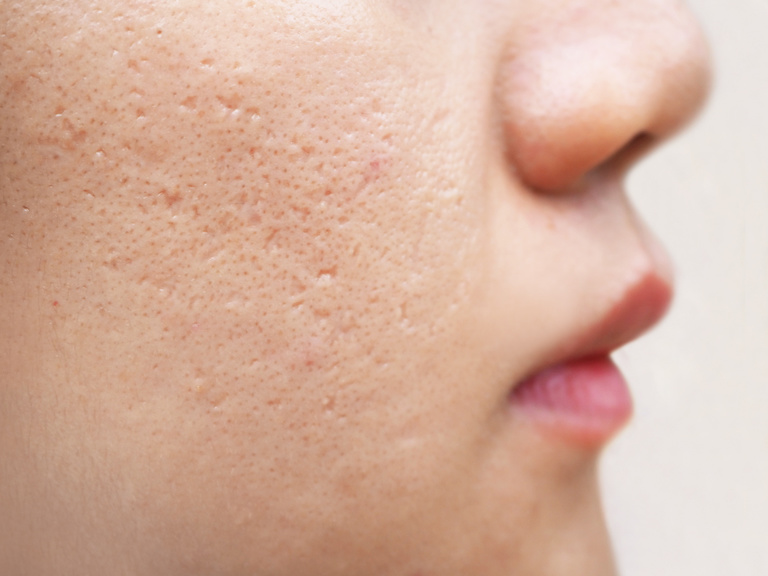
For us, removing acne scars with microneedling is one of the most effective methods available in the cosmetic field, and combining it with a chemical peel can make it even more effective.
Many people who suffer from acne are often doubly penalised.
On the one hand, they suffer from pimples and pustules when the acne is active, and on the other hand, this disease often leaves unsightly scars, from which those affected suffer a second time and often for a lifetime.
They are also doubly penalised in that they suffer physically and emotionally. This is because during the acute phase of the disease they suffer physically and also emotionally from the acne scars, which are perceived as stigmatising.
This often leads to a loss of self-confidence and even severe depression.
However, before you start treating acne scars with microneedling, you should know more about scarring.
How do acne scars form?
Scars caused by acne are the result of several successive processes.
During puberty, this often begins with hormonal fluctuations.
These and other hormonal changes can, among other things, cause the sebaceous glands of those affected to produce more sebum than normal.
This results in greasy or oily skin.

How acne scars develop
The excess sebum is often mixed with tiny dead skin cells.
This mixture of sebum and dead skin cells blocks the pore openings of our skin because it sits like a plug on the pore openings.
Even on "healthy" skin, there are plenty of fungi, viruses and bacteria.
However, it is the bacterium known as Cutibacterium acnes that finds ideal living and multiplication conditions in the "pore duct" enclosed by the sebum plug described above.
This results in an inflammatory process which, in the most harmless cases, leads to the formation of small pimples.
However, inflammatory pimples and pustules can also develop, which characterise the typical skin appearance of acne.
The biggest mistake you can make is to try to treat and squeeze out these pimples yourself. This is because the unprofessional "squeezing out" of blackheads and pimples leaves behind acne scars that are perceived as unsightly, in addition to a particularly severe course.
Acne should be treated by a beautician experienced in this type of skin condition and, in the case of more severe forms, by a dermatologist.
In addition to hormonal fluctuations, intolerance to medication and certain cosmetics as well as environmental influences can also be triggers for acne.
The inflammations described above damage the skin to such an extent that scarring can occur as the skin repairs (heals).
Different types of scars can form.
Atrophic scars
Atrophic scars are also known as sunken scars.
They are the most common form of acne scars.
They are referred to as sunken scars because not enough connective tissue is formed during the healing process so that the new connective tissue does not reach the skin level of the original skin.
This results in small depressions in the skin.
Hypertrophic scars
With hypertrophic scars, the exact opposite happens as with atrophic scars, as the new formation of hypertrophic scars results in excessive scar tissue.
This is characterised by the fact that the new connective tissue protrudes above the original level of the skin.
Keloids
Keloids are also hypertrophic scars, but they grow well beyond the edge of the scar and rise well above the level of the skin.
The most common form of acne scars are atrophic scars.
These can be treated well with microneedling. Hypertrophic scars, however, should not be treated with microneedling, because instead of an improvement, the result could even be a worsening of the scar appearance. Hands off hypertrophic scars and keloids!
What does needling with a Dermaroller or Dermapen do for acne scars?
Microneedling is an advanced technique that is extremely effective in the treatment of acne scars. To better understand how this procedure works, we need to look at the underlying physiological processes in the skin that are stimulated by microneedling.
- Collagen stimulation and fibroblast activation: Microneedling creates controlled micro-injuries in the skin that stimulate the body to produce more collagen. Collagen is a structural protein that is crucial for the firmness, elasticity and health of the skin. By stimulating fibroblasts, the cells responsible for collagen production, microneedling encourages the formation of new collagen fibres in the dermis, the deeper layer of the skin. This process, known as neocollagenesis, helps to improve the structure of the skin and smooth the appearance of acne scars.
- Growth factors and cell regeneration: The micro-injuries caused by needling also trigger the release of growth factors that stimulate cell regeneration and repair processes in the skin. These growth factors signal the skin cells to divide, differentiate and form new tissue, which contributes to the formation of healthy skin structures. This process of cell regeneration leads to a gradual improvement in skin texture and a reduction in scars.
- Inflammation modulation: Acne scars often occur as a result of inflammatory processes in the skin. Microneedling can help to reduce this inflammation by promoting the release of anti-inflammatory molecules and modulating the skin's immune system. By reducing inflammation, healing is accelerated and the risk of scarring is minimised.
- Improved blood circulation and nutrient supply: The micro-injuries caused by the needles during microneedling also stimulate blood flow to the skin. This leads to an increased supply of oxygen and nutrients to the treated areas, which supports the healing process and promotes the regeneration of damaged tissue. Improved circulation also helps to remove waste products and toxins from the skin, resulting in overall healthier skin.
- Pigment regulation and melanin synthesis: Some acne scars can lead to uneven pigmentation of the skin, especially in darker skin types. Microneedling can help regulate this pigmentation by normalising melanin synthesis in the skin and reducing the abnormal deposition of pigment. This leads to a more even skin colour and an improved appearance of acne scars.
Overall, by specifically stimulating these physiological processes, microneedling can help to significantly improve the appearance of acne scars. By promoting collagen production, cell regeneration, reducing inflammation, improving circulation, regulating pigmentation and delivering active ingredients, microneedling provides an effective treatment for acne scars, resulting in smoother, more even skin.
Sterile microneedling serums and their active ingredients in the treatment of acne scars
Sterile microneedling serums play a crucial role in optimising microneedling treatment for acne scars, as the active ingredients can support skin regeneration and improve results. Some of the key active ingredients that may be included in these serums are hyaluronic acid, cross-linked hyaluronic acid, epidermal growth factors, alantoin and Dragon Blood.
- Hyaluronic acid: This moisturising substance is a natural component of the skin and plays a crucial role in maintaining its moisture balance and elasticity. When using microneedling serums, hyaluronic acid can penetrate the skin to intensively hydrate it and improve skin texture. This results in smoother, plumper skin and can further improve the appearance of acne scars.
- Cross-linked hyaluronic acid: Compared to conventional hyaluronic acid, cross-linked hyaluronic acid has a larger molecule size. By combining cross-linked hyaluronic acid with microneedling, deep hydration is achieved. This helps to further improve skin texture and smooth the appearance of acne scars.
- Epidermal growth factors (EGF): These proteins play a key role in the regulation of cell proliferation and wound healing. The supply of EGF via microneedling serums accelerates the regeneration of skin cells and promotes the formation of new tissue. This helps to improve the appearance of acne scars and smooth the skin structure.
- Alantoin: Alantoin is a soothing and regenerating substance that supports skin repair and reduces irritation. When using a microneedling serum, alantoin can help to soothe the skin and speed up the healing process after treatment. This can help reduce redness and inflammation often associated with microneedling treatment.
- Dragon Blood: This substance is extracted from the resin of the dragon tree and has anti-inflammatory and antioxidant properties. In microneedling, Dragon Blood can help to soothe the skin, reduce inflammation and promote natural wound healing. This helps to regenerate the skin after treatment and minimise the risk of side effects.
Overall, sterile microneedling serums with their active ingredients optimise microneedling treatments for acne scars by supporting skin regeneration, reducing inflammation and improving results. The targeted delivery of these active ingredients maximises the effectiveness of your microneedling treatment, resulting in smooth, even skin with reduced acne scars.
How to remove acne scars with microneedling!
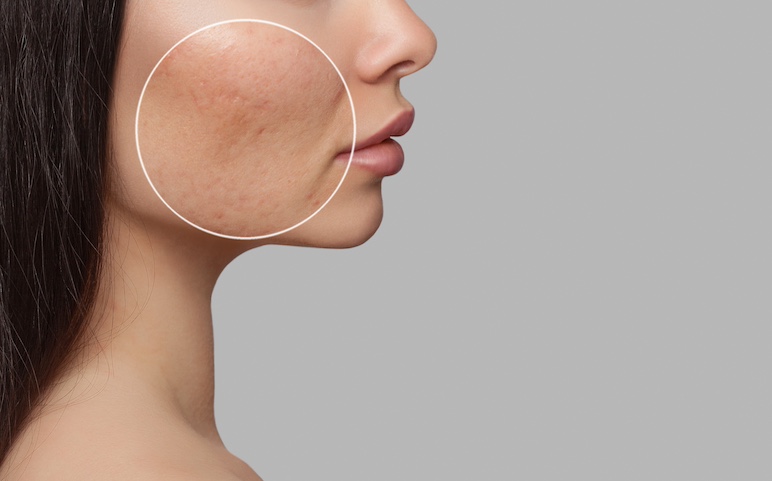
If you want to remove acne scars with microneedling, hygiene and a sterile procedure are of great importance.
After you have washed your face or an area to be treated on your back, start with the cleansing routine.
After the cleansing routine, we recommend a fruit acid peel.
If you are still prone to oily skin, we recommend a salicylic acid peel.
Once your skin has returned to normal, we recommend a mandelic acid peel, as acne scars are often accompanied by pigmentation disorders, for which the mandelic acid peel is also very suitable.
You can findthe exact procedure for a microneedling treatment with a Dermaroller or Dermapen in our journal under Microneedling at home.
Special features of microneedling for acne scars
When treating acne scars, the depth of the treatment plays a major role.
This is because you want your skin to form new collagen so that the sunken scars fill back up to the original skin level and the old scar tissue is permeated by tiny new blood vessels.
For this reason, you should feel your way to the depth of the stitch that is still tolerable for you and use an anaesthetic cream if necessary.
We recommend the needle head with 12 needles for your Dermapen.
If you prick very deeply (1.5 mm), the final results of your needling treatment may not appear until weeks later.
In any case, you will need a little patience and several treatments.
So please don't be disappointed if your acne scars are still visible after the first few treatments.
Give yourself and your skin time to heal and process the injuries caused by microneedling.
Although this is not unique to needling acne scars, make sure you apply sufficient sun protection to your skin after microneedling treatments.
Which microneedling serums are used for scars
As already mentioned elsewhere, we recommend that you do not always use the same microneedling serum, but alternate between them.
Our recommendations:
- Scar serum / Utsukusy Cosmetics
- Collagen Serum / Utsukusy Cosmetics
- Hyal Filler Serum / Utsukusy Cosmetics
- Blood Skin Serum / Utsukusy Cosmetics
- Placent.5 Cocktail / Utsukusy Cosmetics
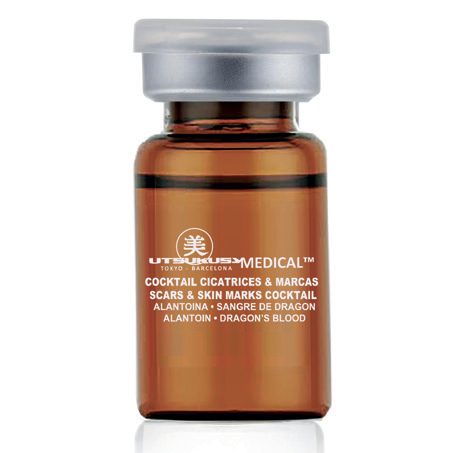
Sterile ampoule of the scar serum against acne scars from Utsukusy
Frequently asked questions about the treatment of acne scars with microneedling
Which dermaroller needle length is ideal for acne scars?
We generally recommend needle lengths between 0.5 mm and 1.5 mm for the treatment of acne scars. These lengths are ideal for gently penetrating the upper layers of the skin and stimulating collagen production without increasing the risk of skin damage. Needle lengths of 0.5 mm are well suited for superficial acne scars as they help to improve skin texture and promote skin regeneration.
For deeper acne scars, longer needle lengths such as 1.0 mm or even 1.5 mm may be required to achieve the desired results. However, beginners should not use these under any circumstances and should approach longer needles slowly.
It is important to note that needle length can vary depending on skin type and individual skin condition. It is therefore advisable to seek advice from a qualified person before undergoing a microneedling treatment to determine the optimal needle length for your specific needs.
What depth of microneedling with a Dermapen for acne scars?
The stitch depth of the Dermapen corresponds approximately to the needle length of the Dermaroller. Therefore, when using a Dermapen, a stitch depth of 0.5 mm is also good for superficial scars. However, depending on the scar pattern and skin texture, a stitch depth of 1.00 mm to 1.5 mm may also be necessary. In any case, you should always start with a shallow stitch depth and slowly work your way up to greater stitch depths. If you are very sensitive to pain, you should apply an anaesthetic cream before the treatment. You should also always seek the advice of your beautician or dermatologist before undergoing treatment.
What is the best microneedling serum for treating acne scars?
We cannot answer which is the best microneedling serum for acne scars. That would be dubious. In any case, we are of the opinion that the same serum should not always be used. If you use different serums, you will not only reduce your acne scars, but also do something good for your skin in general.
Utsukusy Cosmetics has specially formulated a sterile microneedling serum to combat scars and the pigmentation changes that often accompany them. We simply call it Scar Serum. The original name is Scars & Skin Marks Cocktail. We also recommend serums with hyaluronic acid and epidermal growth factors.
How often and at what intervals should you needle for acne scars?
You can read a wide variety of recommendations on the internet. We recommend starting with 4 to 6 treatments. These treatments should be carried out 10 to 14 days apart. The longer the needles on the dermaroller and the greater the stitch depth, the longer the interval.
After this time, you should give your skin time to regenerate. You can then start the next treatment cycle after around 4 to 6 weeks.
We want to be honest with you. You will need some patience.
Can acne scars be treated with microneedling at home?
Of course you can do microneedling at home. However, you should be familiar with it. Before you start, you should seek the advice of a qualified person to customise the treatment to your skin type and needs.
Why does it make sense to exfoliate before needling scars?
Exfoliation makes sense simply because it removes dead skin cells from your skin, making it easier for the active ingredients of the sterile serums to penetrate your skin.
If you also suffer from oily skin, a salicylic acid peel can degrease your skin and remove annoying sebum from your pores.
If you suffer from pigmentation disorders, a mandelic acid peel may be able to help. It can break up the melanin build-up that causes your skin spots, resulting in visibly more even skin. A chemical peel also stimulates collagen formation.
Further interesting articles on the topic of microneedling treatment:
- Which needle length is the right one for microneedling?
- Microneedling how often? | Tips and suggestions for Dermaroller and Dermapen
- Microneedling treatment with Dermaroller or Dermapen | Instructions from A - Z
- Microneedling serums - a closer look at the active ingredients
- The role of hyaluronic acid (hyaluron) in microneedling: more than just a trend
- Removing pigmentation spots with microneedling
- Fruit acid peels from Utsukusy in combination with microneedling
- The science behind microneedling: collagen and its importance for radiant skin
Note:
The products offered here are exclusively cosmetic products within the meaning of the EU Cosmetics Regulation (Regulation (EC) No. 1223/2009). They are not classified as medical devices and are not intended to diagnose, treat, cure or prevent any disease.
If the product description refers to "sterile" products, this refers exclusively to the sterile packaging and not to the fact that the product itself is certified as a sterile medical device.
Certain products are expressly intended only for commercial use by professionally trained personnel (e.g. beauticians, alternative practitioners, studios). These products must not be used without appropriate expertise. Please observe the respective instructions in the product description.
The effects and results described refer to cosmetic care and do not replace medical or alternative practitioner treatment. In the case of existing skin diseases or health complaints, we recommend seeking medical advice before use.
All instructions for use, blog posts and product descriptions are for information purposes only and do not constitute medical advice. Use is at your own responsibility and risk.