
Microneedling for sagging skin on the body

Content: 5 Milliliter (€438.00* / 100 Milliliter)
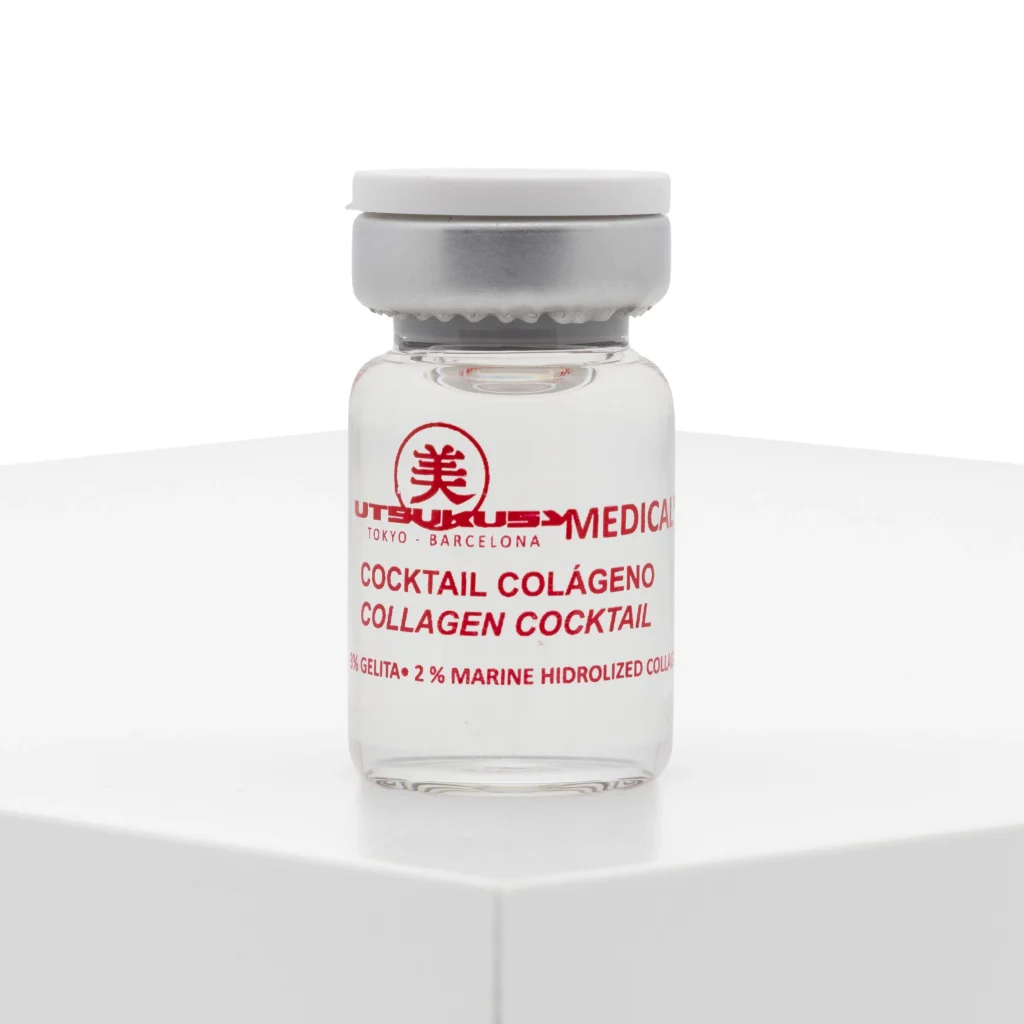
Content: 5 Milliliter (€438.00* / 100 Milliliter)
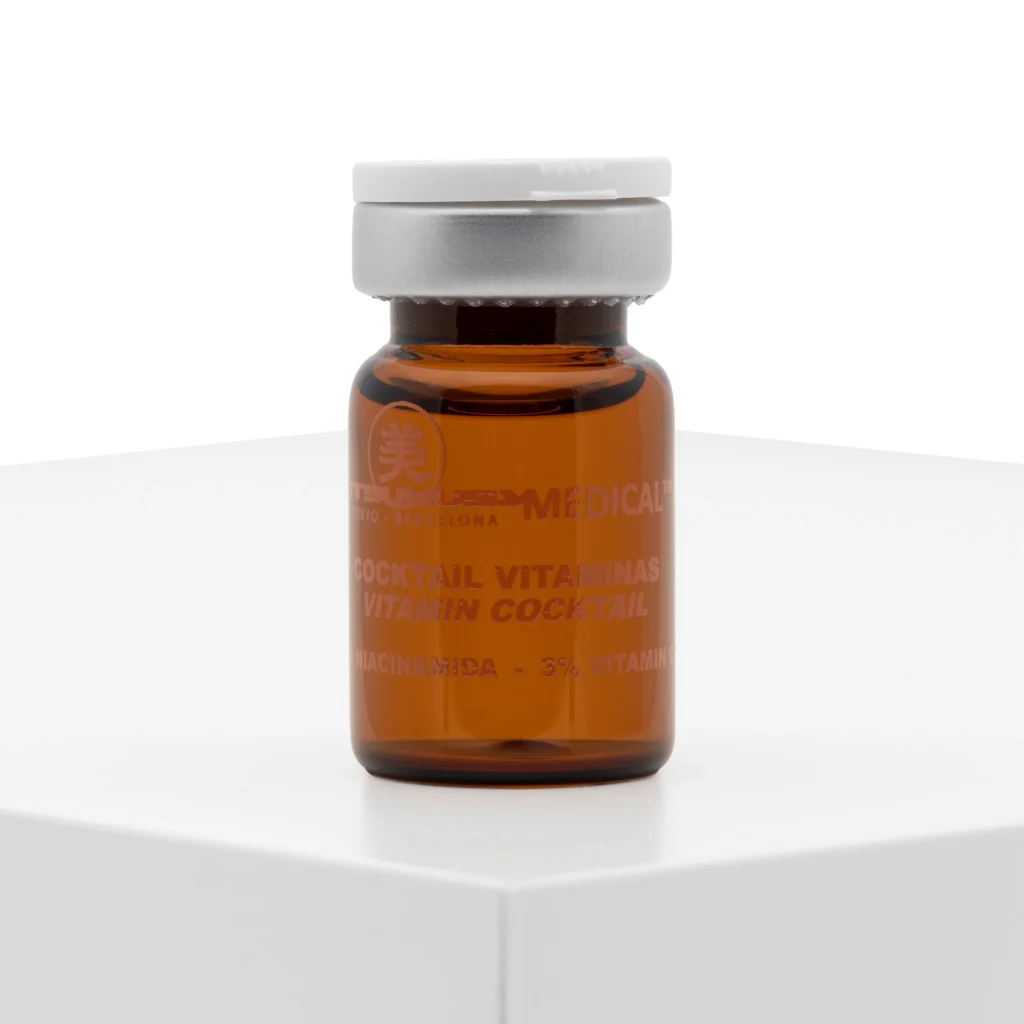
Content: 5 Milliliter (€438.00* / 100 Milliliter)
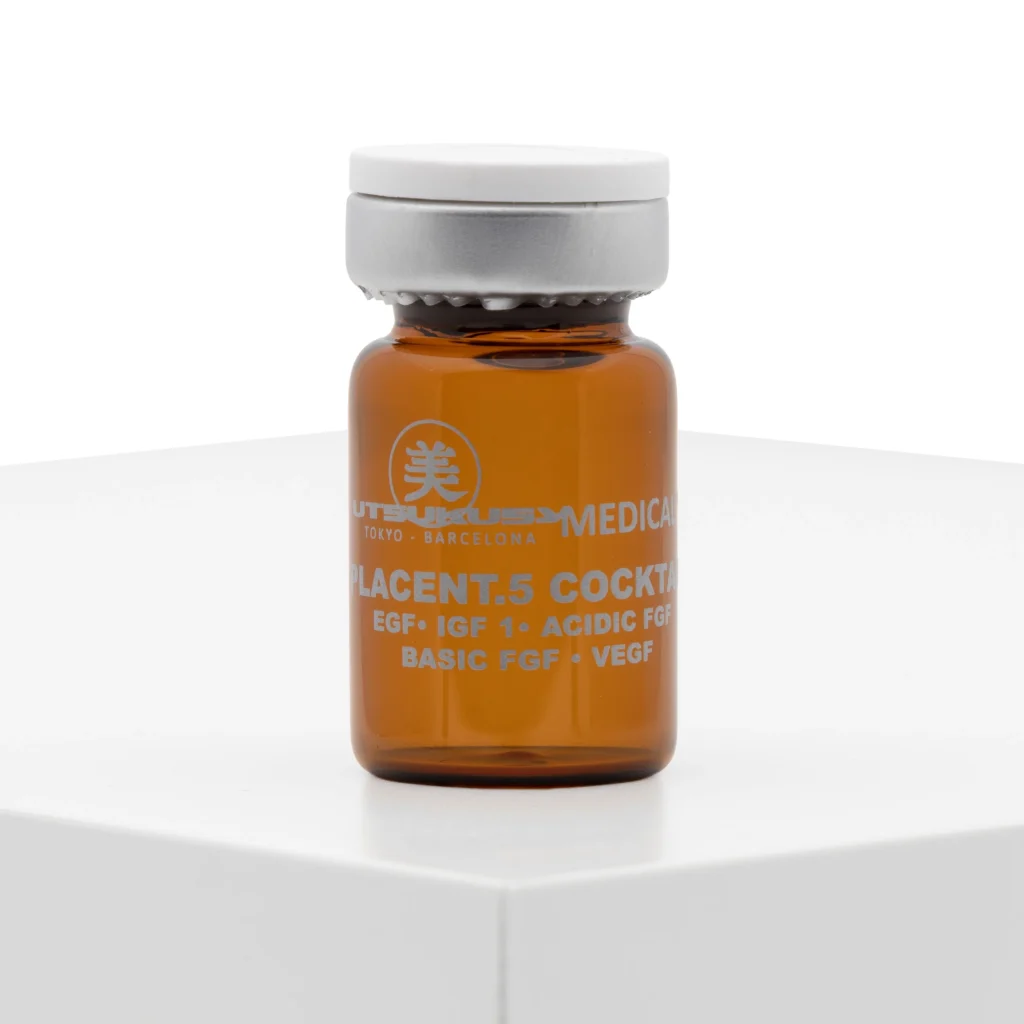
Content: 5 Milliliter (€4.38* / 1 Milliliter)
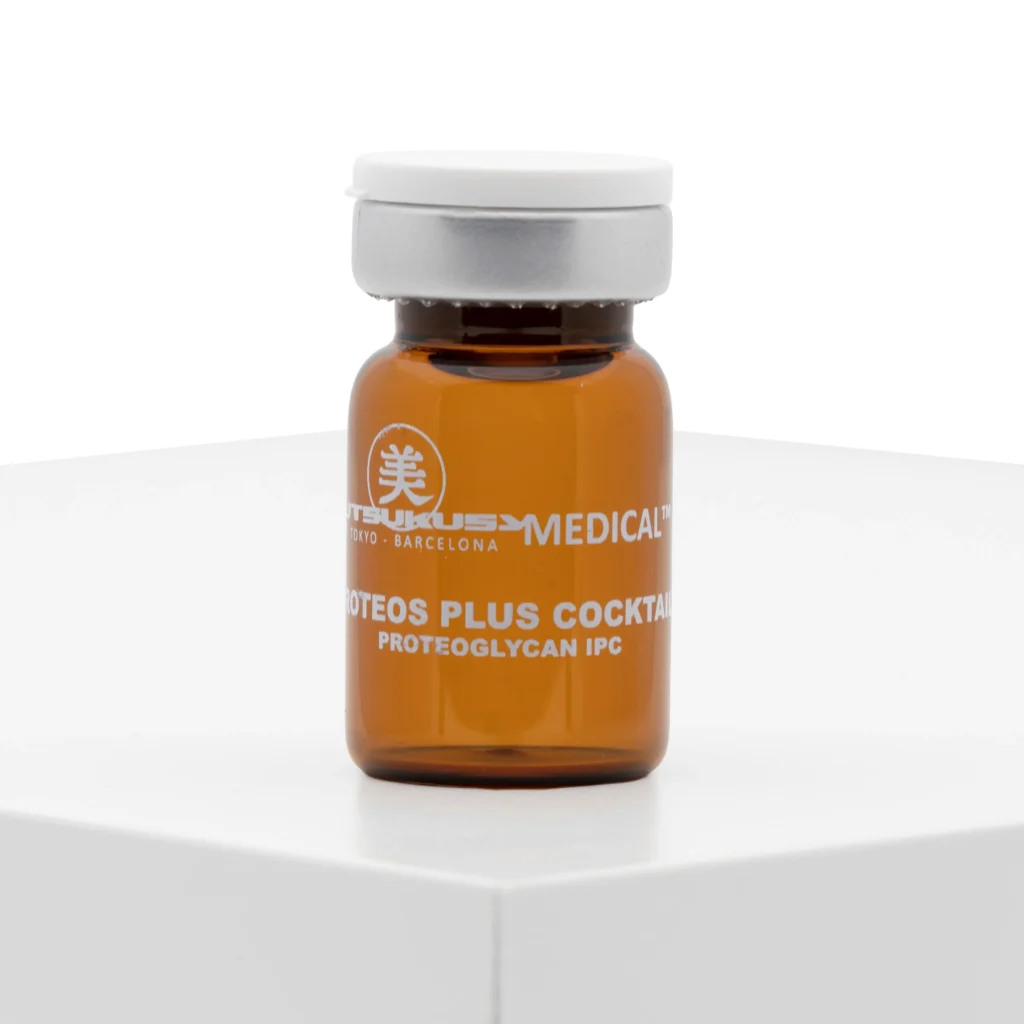
Content: 5 Milliliter (€4,380.00* / 1000 Milliliter)

Content: 10 Milliliter (€299.00* / 100 Milliliter)

Content: 200 Milliliter (€31.70* / 100 Milliliter)

Content: 200 Milliliter (€24.95* / 100 Milliliter)
Combat sagging skin on the body with microneedling
Treating sagging skin with microneedling works on both the face and the body. Many sufferers are unaware of this and simply accept their "fate".
Sagging skin can be caused by various factors, such as age, weight loss, sun exposure and a lack of skin care.
Over time, the skin's elasticity decreases, causing it to lose its elasticity and become saggier. This is a natural ageing process that occurs in everyone.
Weight loss, especially rapid weight loss, can also cause the skin to sag as it cannot adapt quickly enough to the changing body shape.
Too much sun exposure without adequate protection can accelerate skin ageing and contribute to sagging skin.
But before we get to the specifics of microneedling for sagging skin, let's first explain how the skin is structured and how sagging skin occurs.
How is the skin structured?
The human skin is one of the largest and most complex organs of the human body and consists of several layers.
From the outside in, these are the superficial horny layer (epidermis), the dermis and the subcutaneous fatty tissue (subcutis).
The superficial horny layer (epidermis) is the outermost layer of the skin and consists of dead skin cells that slowly move upwards from the basal layer and are gradually shed.
The horny layer protects the body from external influences and injuries and helps to retain fluids and electrolytes in the body.
The dermis is the middle layer of the skin and contains the connective tissue that is responsible for the elasticity and resilience of the skin.
It also contains the sebaceous glands, sweat glands, hair follicles and blood vessels.
The subcutaneous fatty tissue (subcutis) is the lowest layer of the skin and consists mainly of fat cells. It serves as a cushion and protection for the deeper structures of the body and helps to store heat.
Together, these layers form a barrier that protects the body from external influences while regulating body temperature and retaining fluids and electrolytes in the body.
The skin also plays an important role in communication and perception, as it has various receptors that respond to touch, temperature and pain.
How does sagging skin develop?
Connective tissue consists mainly of collagen fibres, which run through the skin like a network and give it firmness and elasticity.
However, as we age, the body produces less collagen, which causes the connective tissue to weaken and the skin to lose its elasticity.
Another factor in skin ageing is the decline in hyaluronic acid production in the body.
Hyaluronic acid is a polysaccharide that is found in the skin and is important for moisture retention.
However, as we age, the body produces less hyaluronic acid, which means that the skin is less able to retain moisture and becomes drier and more sensitive.
Other biochemical processes that play a role in skin ageing are the reduction of elastin production in the body and the increase in free radicals.
Free radicals are molecular oxygen compounds that are produced by UV radiation, smoking and other factors and can damage connective tissue, which can contribute to premature skin ageing.
In addition, UV radiation caused by sun exposure can damage connective tissue and accelerate skin ageing.
Unhealthy lifestyle habits such as smoking and inadequate skin care can also contribute to the weakening of connective tissue and loss of skin elasticity.
Overall, skin ageing is a complex process in which many biochemical processes take place that influence the elasticity and resilience of the skin.
When the skin becomes slacker, it often looks less firm and smooth and wrinkles and lines can form.
The skin is also less able to retain moisture and becomes more sensitive to external influences.
Fibroplasts play a decisive role in skin ageing
Fibroplasts are cells that occur in the connective tissue of the skin and are mainly responsible for the formation of collagen. Collagen is an important component of connective tissue and gives the skin firmness and elasticity.
Fibroplasts also produce elastin, which is responsible for the elasticity of the skin. Elastin allows the skin to stretch and return to its original shape.
Fibroplasts also play an important role in wound healing by producing and repairing new connective tissue.
However, as we age, the body produces less collagen and elastin, causing the connective tissue to weaken and the skin to lose its elasticity.
What happens during microneedling treatments for sagging skin?
During microneedling with a dermaroller or dermapen for sagging skin, the skin is deliberately injured with the help of small needles, which stimulates the skin's self-healing powers.
These self-healing powers lead to the formation and stimulation of new fibroplasts, which then produce more collagen, elastin and hyaluronic acid.
As described above, these are precisely the active ingredients that are needed for firm but elastic connective tissue.
In addition, this process is significantly supported by the incorporation of active ingredients via the needles' puncture channels.
Collagen, hyaluronic acid, vitamins and so-called epidermal growth factorsare particularly suitable active ingredients for this .
Sterile serums for the microneedling treatment of sagging skin
We recommend the following sterile microneedling serums for the treatment of sagging skin:
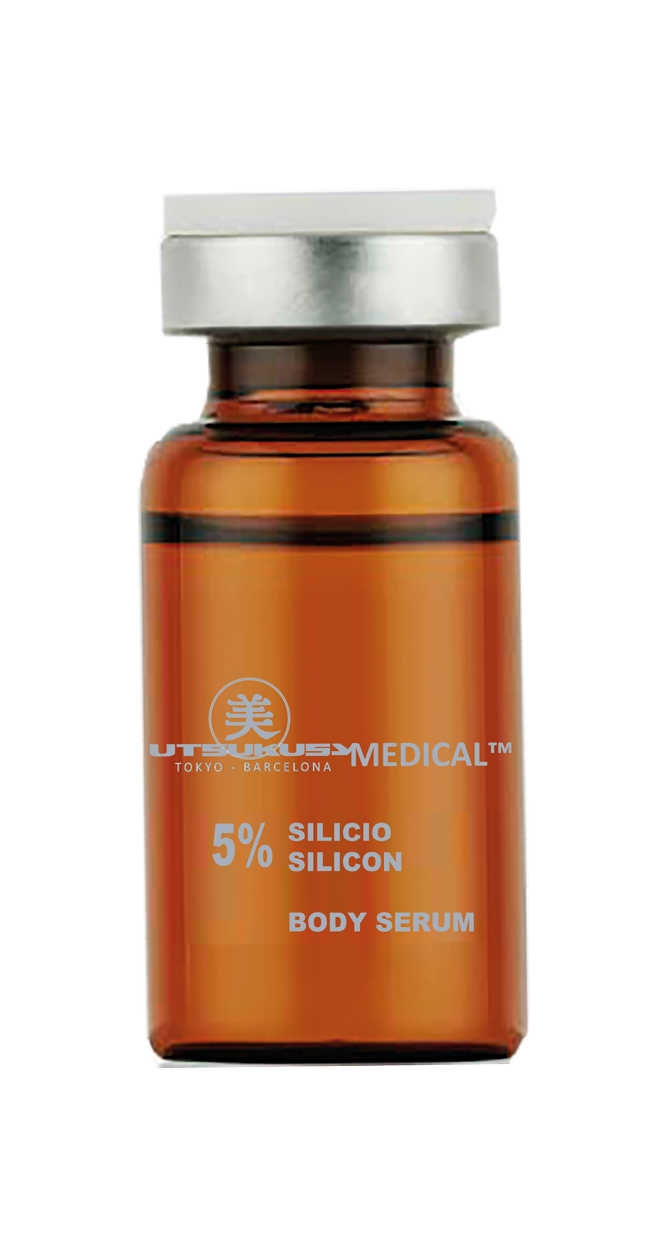
- Silicon Body Serum / Utsukusy Cosmetics
- Collagen Serum / Utsukusy Cosmetics
- 3.5% Hyaluronic Serum / Utsukusy Cosmetics
- Vitamin Cocktail / Utsukusy Cosmetics
- Placent.5 Cocktail / Utsukusy Cosmetics
- Proteus Plus Cocktail / Utsukusy Cosmetics
- Fusion Anti-Aging Serum / mccosmetics
- Professional Vitamin C Serum / mccosmetics
You can find more sterile microneedling serums for body treatments here: Microneedling Body
For aftercare, you should use the Mokzai Firming Cream and the Carboxderm Body Mousse Firming & Cold Effect from Utsukusy.
Further articles for you:
Microneedling at home | Instructions for Dermapen and Dermaroller
Microneedling treatment with Dermaroller or Dermapen | Instructions from A - Z
Microneedling with Dermaroller or Dermapen against stretch marks
The role of hyaluronic acid (hyaluron) in microneedling: more than just a trend
Frequently asked questions about microneedling treatments with a dermaroller or dermapen on the body
What microneedling treatments are available for the body?
Microneedling is a popular cosmetic treatment that helps to improve skin texture and treat various skin problems. Here are some of the most common microneedling treatments for the body:
- Striae Distensae (stretch marks): Microneedling can reduce stretch marks by stimulating collagen and elastin production, making the skin smoother and firmer.
- Scar treatment: Microneedling is effective in treating scars, including acne and surgical scars, by remodelling skin tissue and improving skin texture.
- Skin tightening and anti-ageing: The treatment can tighten the skin and reduce wrinkles by stimulating the skin's natural regeneration.
- Hyperpigmentation: Microneedling helps to minimise uneven skin tone and hyperpigmentation by promoting cell renewal.
- Cellulite reduction: By stimulating collagen production, microneedling can reduce the appearance of cellulite and make the skin appear smoother.
- Hair growth promotion: Microneedling is also used on the scalp to promote hair growth by improving blood circulation and nutrient supply to the hair follicles.
Advantages of microneedling
- Non-invasive: Microneedling is a minimally invasive method that requires little to no downtime.
- Fast recovery: The recovery time after treatment is short, usually only a few days.
- Versatile: Microneedling can be used on various areas of the body, including the face, neck, décolleté, arms, legs and abdomen.
- Collagen production: Promotes natural collagen production, leading to long-term skin improvements.
Microneedling offers numerous benefits for skin health and aesthetics and is a versatile treatment method for various skin problems on the body. Whether for the treatment of scars, stretch marks or skin tightening, microneedling is an effective and gentle way to improve the appearance of the skin.
Microneedling treatments with a dermaroller or dermapen on the body - how often?
Microneedling is an effective method for skin rejuvenation and for treating various skin problems. The same applies to microneedling treatments for wrinkles, acne scars, pigmentation spots, sagging facial skin, etc:
Start cycle:
- Start with a cycle of 4 to 6 treatments.
- There should be 8 to 14 days between treatments.
- During this time, you put your skin under "stress" to stimulate it and promote healing.
Recovery phase:
- After the initial treatment cycle, give your skin a recovery period of 4 to 6 weeks.
- This break is important so that your skin can fully regenerate.
Follow-up cycle:
- After the recovery period, you can start the next treatment cycle.
- Repeat the cycle as required to achieve the desired results.
Important tips:
- Continuity: Stick to the recommended intervals to achieve optimal results.
- Skin care: Support your skin with suitable skin care products throughout the treatment period.
- Consultation: Consult a cosmetic expert to ensure microneedling is suitable for your skin.
By using microneedling correctly, you can effectively improve the health and appearance of your skin.
Can microneedling treatments on the body be combined with other cosmetic treatments?
Yes, microneedling treatments on the body can be effectively combined with other cosmetic treatments. A common combination is the use of fruit acid peels. This combination offers numerous benefits and can optimise the results of the treatment.
Benefits of combining microneedling with fruit acid peels
- Intensified skin regeneration: Microneedling stimulates collagen production, while fruit acid peels exfoliate the skin surface and remove dead skin cells. Together they promote faster and more effective skin renewal.
- Improved absorption of active ingredients: The micro-punctures created during microneedling allow the active ingredients from the fruit acid peels to penetrate deeper into the skin, which leads to better results.
- Reduction of scars and pigmentation marks: Both methods are effective in treating scars and hyperpigmentation. By combining them, these skin problems can be treated even more specifically and effectively.
- Smoother and more radiant skin: The synergistic effect of microneedling and fruit acid peels results in smoother, more radiant and youthful-looking skin.
Note:
The products offered here are exclusively cosmetic products within the meaning of the EU Cosmetics Regulation (Regulation (EC) No. 1223/2009). They are not classified as medical devices and are not intended to diagnose, treat, cure or prevent any disease.
If the product description refers to "sterile" products, this refers exclusively to the sterile packaging and not to the fact that the product itself is certified as a sterile medical device.
Certain products are expressly intended only for commercial use by professionally trained personnel (e.g. beauticians, alternative practitioners, studios). These products must not be used without appropriate expertise. Please observe the respective instructions in the product description.
The effects and results described refer to cosmetic care and do not replace medical or alternative practitioner treatment. In the case of existing skin diseases or health complaints, we recommend seeking medical advice before use.
All instructions for use, blog posts and product descriptions are for information purposes only and do not constitute medical advice. Use is at your own responsibility and risk.