
C-Retinal cream


€92.90
Available, delivery time: 1-3 days
Product information "C-Retinal cream"
Retinal Cream from Utsukusy Cosmetics
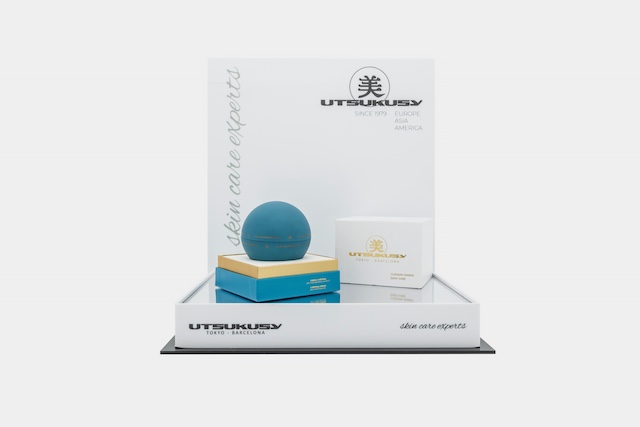
Active ingredients of the C-Retinal cream
- RETINAL 100% natural origin: This powerful ingredient accelerates cell regeneration and collagen production to revitalise your skin and reduce the appearance of fine lines and wrinkles. It even works 11 times faster than retinol!
- Vitamin C Spheres (ascorbic acid): These microencapsulated vitamin C particles act as antioxidants and help to reduce age spots by reducing hyperpigmentation of the skin.
- Squalane (upcycled olive oil) and olive oil: These natural ingredients moisturise, improve elasticity and protect the skin from moisture loss. They give your skin suppleness and act as antioxidant emollients.
Retinal cream with vitamin C offers a multitude of benefits:
- Regenerates your skin and gives it a youthful appearance.
- Firms and smoothes wrinkles for radiantly smooth skin.
- Nourishes your skin and improves its appearance.
- Effectively treats blemishes and hyperpigmentation for an even complexion.
How to use the Retinal Cream
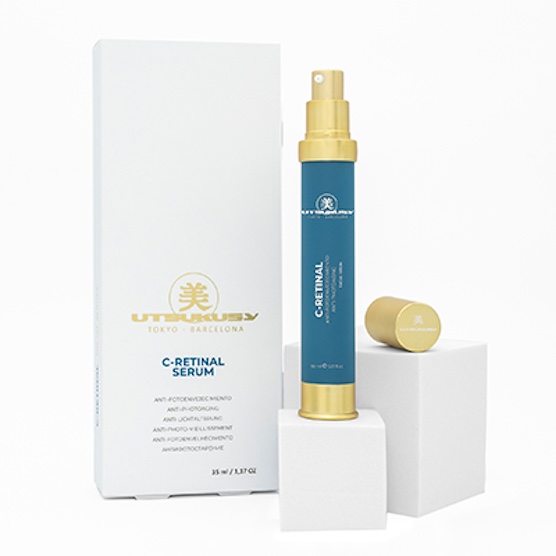
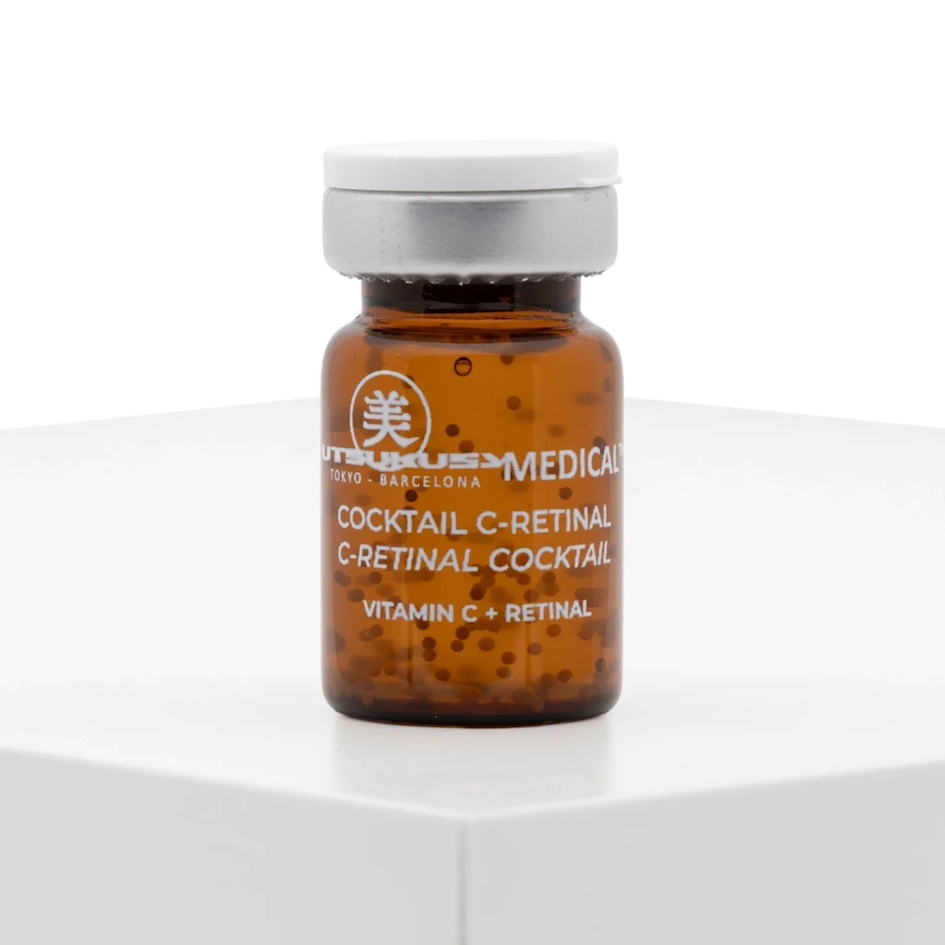
Ingredients of the C-Retinal cream
Frequently asked questions about Retinal cream with vitamin C
What is the difference between Retinal and Retinol?
When we look at the active ingredients in skincare products, we often come across terms such as retinol and retinal. But what is actually the difference between these two active ingredients?
Retinol and retinal both belong to the family of retinoids, which are derived from vitamin A. They are known for their ability to promote cell renewal and collagen production, which ultimately leads to smoother, firmer and more youthful looking skin. But that's where the similarities end and the differences begin.
Retinol is the most commonly used and best researched ingredient in this group. It is known for its anti-ageing properties, such as reducing the appearance of fine lines and wrinkles, as well as improving skin texture and tone. However, it is also known to cause skin irritation in some people, especially when used in high concentrations or if the skin is not used to the active ingredient.
Retinal, also known as retinaldehyde, is a less common but more effective form of vitamin A. It is actually the direct precursor of retinoic acid, the active form of vitamin A in the skin. This means that it only requires one conversion step to become effective in the skin, unlike retinol which requires two conversion steps. This makes retinal not only more potent, but also less irritating to the skin.
To summarise:
- Retinol is a proven anti-aging ingredient that promotes cell renewal and collagen production, but can cause skin irritation in some people.
- Retinal is a more effective and less irritating form of vitamin A that only requires one conversion step to become active in the skin.
So if you're looking for a retinal cream, you can look forward to a potent ingredient that offers your skin numerous anti-ageing benefits without the potential side effects of retinol.
How often to use Retinal Cream?
The use of Retinal Cream depends on your skin type and your individual skin needs. In general, we recommend using Retinal Cream twice a day - morning and evening.
Start your day by first cleansing your skin thoroughly and then applying a small amount of Retinal Cream. This helps to prepare your skin for the day and protect it from harmful environmental influences. In the evening, we recommend reapplying Retinal Cream to soothe the skin after the day's exertions and give it the opportunity to regenerate.
However, there are a few points to bear in mind:
- Always use sun protection: retinal can make your skin more sensitive to light, so it's important to always use sun protection.
- Start slowly: If you are new to Retinal, start with a small amount and increase it slowly to avoid skin irritation.
- Listen to your skin: Every skin is unique, if you notice redness, dryness or irritation, reduce application.
We hope this information is helpful to you. Remember that good skincare is about more than just the products you use - it's also about a healthy diet, getting enough sleep and a general sense of wellbeing.
How does retinal work?
Retinal, also known as retinaldehyde, is a powerful derivative of vitamin A and an absolute powerhouse ingredient in skincare. Its effect is remarkable and we would like to tell you more about it.
Retinal is a type of retinoid, a group of compounds that are all derived from vitamin A. Retinoids are known for their variety of skincare benefits. They can reduce the appearance of wrinkles and fine lines, improve skin texture and even treat acne. Retinal is particularly effective as it is a more direct precursor to retinoic acid, the active form of vitamin A in the skin. This means that it works faster and more effectively than other retinoids such as retinol.
We recommend introducing Retinal into your skincare routine if you are looking for the following improvements:
- Reduction of wrinkles and fine lines
- Improve skin texture
- Treatment of acne and other skin blemishes
- Lightening dark spots and hyperpigmentation
Although Retinal is very effective, it is also gentler on the skin than other retinoids. This means you can use it both morning and night without worrying about irritation or redness. Start with a small amount and slowly increase the application to get your skin used to the active ingredient.
But always remember to use a good sun cream when applying retinal. Retinoids can make the skin more sensitive to sunlight, so good sun protection is essential.
To get the most out of your Retinal cream, you should apply it to clean, dry skin. Allow it to absorb completely before applying other products. This allows the active ingredient to penetrate deep into the skin and develop its full effect.
To summarise, Retinal is an excellent addition to any skincare routine. It can dramatically improve the look and feel of your skin, often after just a few applications. Give it a try and see for yourself the benefits of this powerful ingredient.
What does formulation with vitamin C and retinal do?
The formulation with vitamin C and retinal is a powerful duo that is becoming increasingly important in the skincare industry. Both ingredients have unique properties that, when combined, can lead to amazing results. Let's take a closer look.
Vitamin C, also known as ascorbic acid, is a powerful antioxidant that protects our skin from damaging free radicals. These small molecules are responsible for the breakdown of collagen and elastin, the proteins that give our skin firmness and elasticity.
Retinal, also known as retinaldehyde, is a form of vitamin A. It is converted into retinoic acid in the skin, which is responsible for cell regeneration and collagen production. As a result, retinal can reduce the signs of ageing such as wrinkles and pigmentation and improve the overall appearance of the skin.
So when we use a formulation with vitamin C and retinal, we reap the benefits of both active ingredients. The combination of antioxidant and cell regeneration booster can help to improve skin texture, reduce the appearance of wrinkles and promote an even skin tone.
For optimal results, we recommend using this powerful duo twice a day, morning and night. Start your routine in the morning with the C-Retinal Serum, followed by the C-RetinalCream and Sunscreen. In the evening, use a retinal cream to support your skin's nightly regeneration.
To summarise:
- Vitamin C is a powerful antioxidant that protects the skin from free radicals.
- Retinal is a form of vitamin A that promotes cell regeneration and collagen production.
- The combination of vitamin C and retinal can improve skin texture, reduce wrinkles and promote an even skin tone.
- For optimal results, the formulation should be used morning and evening.
We hope this information is helpful to you and that you now have a better understanding of the effects of a formulation with vitamin C and retinal. Remember that good skincare is not only based on high-quality products, but also on consistency. So stick to your routine and you will see the results over time.
The following articles in the Microneedling Journal may also be of interest to you:
- Retinal or retinol?
- The role of hyaluronic acid (hyaluron) in microneedling: more than just a trend
- Niacinamide - Vitamin B3 | Power ingredient in skin care
Login
Microneedling mit C-Retinal – Die ultimative Hautverjüngung oder eine überfordernde Kombination?
Welche Creme soll ich nach dem Microneedling verwenden?
Retinal oder doch lieber Retinol?
C-Retinal

C - Retinal Microneedling Serum from Utsukusy Cosmetics C - Retinal Microneedling Ser um from Utsukusy Cosmetics, a highly effective sterile serum for radiant skin. The serum with 100% plant-based ingredients is sterilised. It is suitable for all skin types, even sensitive skin. C - Retinal Microneedling Serum - Natural ingredients The C - Retinal Microneedling Serum from Utsukusy harnesses the power of natural ingredients to revitalise your skin and combat the signs of ageing. Natural Retinal - For youthful elasticity 100% natural and produced through biofermentation Increases skin elasticity and protects against free radical damage Reduces wrinkles and fine lines, softens skin roughness and minimises hyperpigmentation Improves hydration Sodium ascorbyl phosphate - vitamin C for radiant skin Sodium ascorbyl phosphate, an important active ingredient in C - Retinal Microneedling Serum, releases vitamin C into the skin, thereby offering numerous benefits: Promotes collagen formation and protects skin cells Acts as a powerful antioxidant against free radicals Has depigmenting and anti-ageing properties Stimulates collagen production Vitamin C beads - targeted care for your skin The unique vitamin C spheres are spherical microparticles that contain a combination of vitamin C. When the cream is applied to the skin, they are released and provide: Filling in wrinkles for a smoother complexion Targeted treatment of spots and hyperpigmentation. Application and indications The C-RetinalMicroneedling Serum from Utsukusy Cosmetics is ideal for various skin concerns: Regeneration: Treat the skin to a regenerative treatment Firming: Improve the elasticity of the skin Skin nutrition: Provide your skin with important nutrients Wrinkle filling: Reduce visible wrinkles and fine lines Spot and hyperpigmentation treatment: Get rid of unwanted skin discolouration Recommended use To achieve the best results with the C - Retinal Microneedling Serum, we recommend using it in conjunction with the ENPITSU Microneedling Pen from Utsukusy Cosmetics. Of course, you can also use it with a dermaroller. Ingredients of the C - Retinal Microneedling Serum AQUA (WATER), PROPANEDIOL, GLYCERIN, SODIUM ASCORBYL PHOSPHATE, ASCORBYL PALMITATE, RETINAL, MICROCRYSTALLINE CELLULOSE, SYNTHETIC FLUORPHLOGOPITE, SCLEROTIUM GUM, TETRASODIUM GLUTAMATE DIACETATE, XANTHAN GUM, HYDROGENATED LECITHIN, ZEA MAYS (CORN) STARCH, MANNITOL, ETHYLCELLULOSE, HYDROXYACETOPHENONE, CITRIC ACID, CAPRYLYL GLYCOL, 1,2-HEXANEDIOL, ASCORBIC ACID, CI 77492 (IRON OXIDES) CPNP REFERENCE: 4288366 Contents: ampoule 5ml Frequently asked questions about Retinal Microneedling Serum with vitamin C What is special about the active ingredient Retinal? Retinal is a highly effective skin care ingredient that is becoming increasingly popular due to its numerous benefits. Here are the most important special features of Retinal: Effective anti-ageing action: retinal is a form of vitamin A and promotes collagen production, reducing fine lines and wrinkles.Fast action: Compared to other retinoids, Retinal works faster and shows visible results after just a few weeks of use.Skin renewal: It promotes cell renewal and improves skin texture, resulting in smoother and more radiant skin.Acne treatment: Retinal helps to keep pores clear and reduces the appearance of acne by refining the skin's texture and reducing blemishes.Antioxidant properties: It protects the skin from harmful free radicals and environmental damage, resulting in healthier and more resilient skin.Less irritation: Compared to retinol, retinal is less irritating and therefore more suitable for sensitive skin. Retinal is a powerful active ingredient in skincare that offers numerous benefits. From anti-ageing effects to improving skin texture and treating acne, retinal is a versatile ingredient that can take your skincare routine to the next level. How do retinal and retinol differ in terms of their effects in cosmetics? Retinal and retinol are both forms of vitamin A and are commonly used in cosmetics. However, they differ in their chemical structure, effectiveness and application. Here are the main differences: Chemical structure Retinol (vitamin A1) Retinol is an alcohol form of vitamin A. It must be converted in the skin into retinal (retinaldehyde) and then into retinoic acid to become active. Retinal (retinaldehyde) Retinal is an aldehyde form of vitamin A. It is the direct precursor of retinoic acid and requires only one conversion to become active. Effectiveness and stability Retinol Retinol is less effective than retinal because it has to be converted into the active form (retinoic acid) in two steps. Retinol is relatively unstable and can be degraded by light and air. It must therefore be stored in opaque, airtight packaging. Retinal Retinal is more effective than retinol as it only requires one conversion step to become retinoic acid. It is more stable than retinol, but still sensitive to light and oxygen. Effect on the skin Retinol Promotes cell regeneration and increases collagen production, leading to an improvement in skin texture and a reduction in fine lines and wrinkles. May cause skin irritation, especially at higher concentrations or on sensitive skin. Retinal Has similar benefits to retinol, but faster and often more effective as it requires fewer conversion steps. Tends to cause less skin irritation than retinol, although in high concentrations it can still cause redness and flaking. Application in cosmetics Retinol Commonly used in anti-ageing products. Recommended to be introduced slowly into the skincare routine, starting with lower concentrations and gradually increasing. Retinal Increasingly used in cosmetic products as it is more potent and faster acting than retinol. Can be used in lower concentrations to achieve similar or better results than retinol. Overall, both compounds offer significant skincare benefits, although Retinal may be a preferred choice for many users due to its higher potency and better tolerability. Why choose C-RETINAL Microneedling Serum? C-RetinalMicroneedling Serum for Dermapen or Dermaroller from Utsukusy Cosmetics - A highly effective sterile serum for radiant skin. The serum consists of 100% plant-based ingredients and is sterilised. It is suitable for all skin types, even sensitive skin. Natural ingredients of the C-Retinal Microneedling Serum Utsukusy's C-Retinal Microneedling Serum harnesses the power of natural ingredients to revitalise your skin and fight the signs of ageing. Natural Retinal - For youthful elasticity 100% natural and produced through biofermentation Increases skin elasticity and protects against free radical damage Reduces wrinkles and fine lines, softens skin roughness and minimises hyperpigmentation Improves hydration Sodium ascorbyl phosphate - vitamin C for radiant skin Sodium ascorbyl phosphate, an important active ingredient in C-Retinal Serum, releases vitamin C into the skin and offers numerous benefits: Promotes collagen formation and protects skin cells Acts as a powerful antioxidant against free radicals Has depigmenting and anti-ageing properties Stimulates collagen production Vitamin C beads - targeted care for your skin The unique vitamin C spheres are spherical microparticles that contain a combination of vitamin C. When the cream is applied to the skin, they are released and provide: Filling in wrinkles for a smoother complexionTargeted treatment of spots and hyperpigmentation Application and indications The C-RetinalMicroneedling Serum from Utsukusy Cosmetics is ideal for various skin concerns: Regeneration: Treat your skin to a regenerative treatment Firming: Improve the elasticity of the skin Skin nutrition: Provide your skin with important nutrients Wrinkle filling: Reduce visible wrinkles and fine lines Spot and hyperpigmentation treatment: Get rid of unwanted skin discolouration This serum provides comprehensive care for youthful, radiant skin by combining natural ingredients with cutting-edge technology. Choose the C-Retinal Microneedling Serum from Utsukusy and enjoy the benefits of visibly rejuvenated and radiant skin.Other products from the C-Retinal skincare range:C-Retinal Serum - Facial SerumC-Retinal Cream - Face Cream The following articles may also be of interest to you: Retinal or retinol? Microneedling serums - a closer look at the active ingredients Microneedling at home | Instructions for Dermapen and Dermaroller Microneedling treatment with Dermaroller or Dermapen | Instructions from A - Z Click here for all microneedling serumsPlease note: The products offered here are exclusively cosmetic products within the meaning of the EU Cosmetics Regulation (Regulation (EC) No. 1223/2009). They are not classified as medical devices and are not intended to diagnose, treat, cure or prevent any disease. If the product description refers to "sterile" products, this refers exclusively to the sterile packaging and not to the fact that the product itself is certified as a sterile medical device. Certain products are expressly intended only for commercial use by professionally trained personnel (e.g. beauticians, alternative practitioners, studios). These products must not be used without appropriate expertise. Please observe the respective instructions in the product description. The effects and results described refer to cosmetic care and do not replace medical or alternative practitioner treatment. In the case of existing skin diseases or health complaints, we recommend seeking medical advice before use. All instructions for use, blog posts and product descriptions are for information purposes only and do not constitute medical advice. Use is at your own responsibility and risk.

Retinal Serum (Vitamin A derivative) from Utsukusy The C - Retinal Serum is a powerful anti-ageing serum specially formulated to effectively combat the signs of ageing. Enriched with highly effective ingredients, it helps to increase the skin's elasticity, protects against free radical damage and improves the appearance of imperfections, redness and uneven skin tone. C - Retinal Serum: The key active ingredients Retinal from 100% natural sources: Accelerates cell regeneration and collagen production to reduce fine lines and wrinkles. It works 11 times faster than retinol for brighter, more even-toned skin. Nectaria Lithops: This unique ingredient restores the production of vitamin D and lumisterol while protecting the skin from harmful UV light. It improves skin tone, moisturises and promotes healthy microcirculation. Bakuchiol: The photostable alternative to vitamin A/retinol provides effective skin rejuvenation and promotes an even skin tone. With its antioxidant power and collagen stimulating properties, it contributes to skin firmness and elasticity. Olive oil: It softens the skin and acts as an antioxidant C - Retinal Serum from Utsukusy Cosmetics is suitable for all skin types, including sensitive skin. Thanks to its non-greasy formula, it is quickly absorbed and leaves the skin feeling pleasant. How to use: Thoroughly cleanse your face of make-up and impurities. Apply the Bijin Cleansing Cream from Utsukusy and rinse off with water. Apply Retinal Serum to the face, neck and décolleté. Gently massage the skin with an upward motion. The C-Retinal Serum is your solution for a youthful appearance and radiant skin. Use it regularly to reduce fine lines, wrinkles and pigmentation and improve the firmness of your skin. C-Retinal Serum is a powerful anti-photo-ageing serum that helps increase skin elasticity and provides protection against free radical damage.It firms and smoothes wrinkles. It improves the appearance of imperfections and redness.C-Retinal Serum is suitable for all skin types, including sensitive skin. Ingredients of the C - Retinal Serum AQUA (WATER), CAPRYLIC/CAPRIC TRIGLYCERIDE, PROPANEDIOL, GLYCERIN, HYDROGENATED ETHYLHEXYL OLIVATE, POLYGLYCERIN-3, RETINAL, SODIUM STEAROYL GLUTAMATE, BAKUCHIOL, OLEA, EUROPAEA (OLIVE) FRUIT OIL, FRUCTOOLIGOSACCHARIDES, GLYCINE SOJA (SOYBEAN) OIL, TOCOPHEROL, HELIANTHUS ANNUUS (SUNFLOWER) SEED WAX, GLYCOPROTEINS, BIOFLAVONOIDS, HYDROGENATED OLIVE OIL UNSAPONIFIABLES, SQUALANE. JOJOBA ESTERS, PHYTIC ACID, SCLEROTIUM GUM, CYAMOPSIS TETRAGONOLOBA (GUAR) GUM, XANTHAN GUM, GLYCERYL STEARATE, CETEARYL ALCOHOL, PENTYLENE GLYCOL, CITRIC ACID, 1,2-HEXANEDIOL, CAPRYLYL GLYCOL, HYDROXYACETOPHENONE, PARFUM (FRAGRANCE), LINALOOL. CPNP REFERENCE: 4276867 Content: 35ml Frequently asked questions about Retinal Serum How does retinal work in cosmetic products? What processes take place in the skin? Retinal, also known as retinaldehyde, is a powerful form of vitamin A that is used in cosmetic products for its multiple skin benefits. Here are the main processes that retinal triggers in the skin: Accelerating cell regeneration: retinal promotes cell turnover by speeding up the production of new skin cells. This helps to remove dead skin cells and reveal smoother, more radiant skin. Collagen production: It stimulates the production of collagen, a protein responsible for the firmness and elasticity of the skin. This leads to a reduction in fine lines and wrinkles. Improving skin texture and tone: By promoting even skin regeneration, Retinal improves the appearance of skin irregularities and pigmentation. Antioxidant protection: Retinal provides protection against free radicals caused by UV radiation and environmental pollution that can damage the skin. C - Retinal Serum from Utsukusy C - Retinal Serum is a highly effective anti-ageing serum designed to combat the signs of ageing. It contains: Retinal from 100% natural sources: Ingredient that works 11 times faster than retinol, accelerates cell regeneration and collagen production, reduces fine lines and wrinkles, and provides a more radiant and even skin tone. Nectaria Lithops: Active ingredient that restores the production of vitamin D and lumisterol, protects against harmful UV light, improves skin tone, moisturises, protects against dryness and promotes healthy microcirculation. Bakuchiol: A photostable alternative to vitamin A/retinol that promotes skin rejuvenation, evens skin tone, has antioxidant powers and stimulates collagen production. Olive oil: Natural emollient oil with repairing properties. It acts as an antioxidant. Application of the C - Retinal Serum The serum is very easy to use: after cleansing the skin, apply the serum to the face, neck and décolleté. Massage gently into the skin. Then apply the C - Retinal cream. C - Retinal Anti-Aging Cream from Utsukusy Cosmetics The C - Retinal Serum from Utsukusy Cosmetics is the perfect solution for all skin types, including sensitive skin, to combat the signs of ageing and make the skin appear more radiant and youthful. Use it regularly for optimal results. How is retinal different from retinol in cosmetic products? Retinal (retinaldehyde) and retinol are both forms of vitamin A used in skincare. Despite their similarities, there are important differences that influence their use and effects: Chemical structure and potency: Retinal: Is a direct precursor of retinoic acid (the biologically active form of vitamin A). It is converted into retinoic acid more quickly in the skin than retinol and is therefore more potent. Retinol: Must be converted in two steps (retinol → retinal → retinoic acid), which makes it less potent but also milder. Efficacy: Retinal: Acts up to 11 times faster than retinol. This means that results such as the reduction of fine lines and wrinkles are visible more quickly. Retinol: Requires more time to achieve similar results, making it ideal for sensitive skin as the transformation is slower and gentler. Skin compatibility: Retinal: Despite its higher potency, it is suitable for all skin types, including sensitive skin. It is often used in formulations specifically aimed at soothing the skin and minimising side effects. Retinol: Despite being less effective than Retinal, side effects can occur. The following articles may be of interest to you: Retinal or retinol?Niacinamide - Vitamin B3 | Power ingredient in skin careThe best microneedling serum or meso serum for your skin Microneedling for different skin types: Tips and recommendations Niacinamide - vitamin B3 | power ingredient in skin careTreat large pores with microneedling Treat wrinkles with microneedling
Content: 35 ml (€228.29 / 100 ml)