
Microneedling for oily skin, acne and spots
Content: 5 Milliliter (€438.00* / 100 Milliliter)

Content: 50 Milliliter (€69.80* / 100 Milliliter)


Content: 250 Milliliter (€15.96* / 100 Milliliter)
Content: 15 Milliliter (€2,326.67* / 1000 Milliliter)
Content: 40 Milliliter (€149.75* / 100 Milliliter)

Microneedling for acne, pimples and oily skin for a much better complexion
Microneedling for acne, spots and oily skin.
Do you suffer from pimples or acne-prone skin like many others? You probably also have oily skin and it almost drives you crazy that your face often looks shiny and greasy.
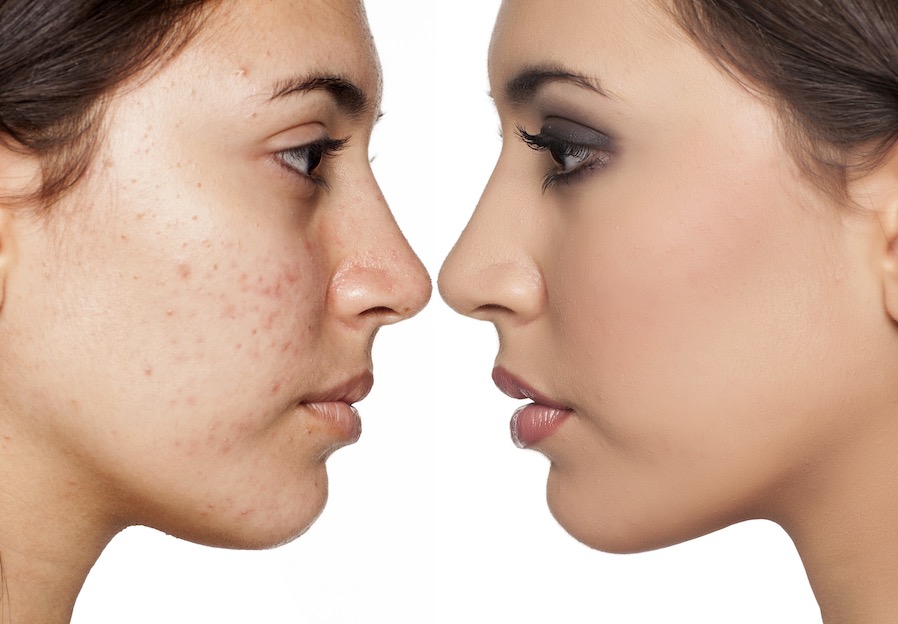
Excessive sebum production is often to blame
However, before we go into more detail about the appearance of the skin, we need to make it clear that inflammatory acne is a disease and should be treated by a dermatologist.
Self-treatment with microneedling by a person who is inexperienced with the disease and the treatment method is in no way recommended.
Back to the increased sebum production of your skin. In many cases, this is caused by hormonal changes.
These often not only lead to excessive sebum production, but also to an increase in keratinised cell material.
Both together, the sebum and the horny material, result in a "marvellous glue".
Normally, when sebum is produced in normal quantities, it is drained to the surface of the skin via the sebaceous gland ducts.
This makes perfect sense, as the oily or greasy layer that forms protects the skin from the penetration of pathogens and dehydration.
However, as is so often the case in life, too much is not good, as the mixture of sebum and horny material referred to above as glue can block the exits of the sebaceous gland ducts.
These blocked pores become visible as so-called comedones. A distinction can be made between two types of comedones. Those that are visible to the naked eye as a black dot are known as blackheads.
The black dot is not dirt, as is often assumed, but the melanin stored in the skin reacts with oxygen and makes the plug at the exit of the pores look dark.
Colloquially, this is called a dark blackhead.
In addition to these blackheads, there are also so-called whiteheads. These are closed comedones as they are covered with a very fine layer of skin.
You should never squeeze out blackheads yourself, as this can make the inflammation much worse and ultimately lead to scars. It is better to have this done by a beautician who is experienced with this skin condition.
From excessive sebum production to acne
Human skin is colonised by many microorganisms (skin microbiome).
These include fungi, viruses and bacteria. One of these bacteria is called Cutibacterium acnes.
If this microbiome becomes unbalanced due to excessive sebum secretion and the sebaceous gland ducts become blocked as a result, Cutibacterium acnes finds ideal living conditions in the sebaceous gland ducts.
The proliferation of these bacteria produces substances that promote inflammation. As a result, pimples, pustules and nodules can form on the skin. In a nutshell, this is how inflammatory acne develops.
Microneedling treatment for oily and acne-prone skin
As with every microneedling treatment, including oily skin, the first step is to prepare the skin for the treatment.
Preparing the skin
Skin preparation begins with cleansing the skin.
Cleansing oily and acne-prone skin
In many cases, oily skin is also sensitive skin. Therefore, use mild facial cleansing products with as little alcohol as possible.
After carefully washing your face with a mild cleanser suitable for oily skin, we recommend cleansing with Utsukusy Cleansing Milk and then cleansing with Utsukusy Cosmetics Cleansing Cream.
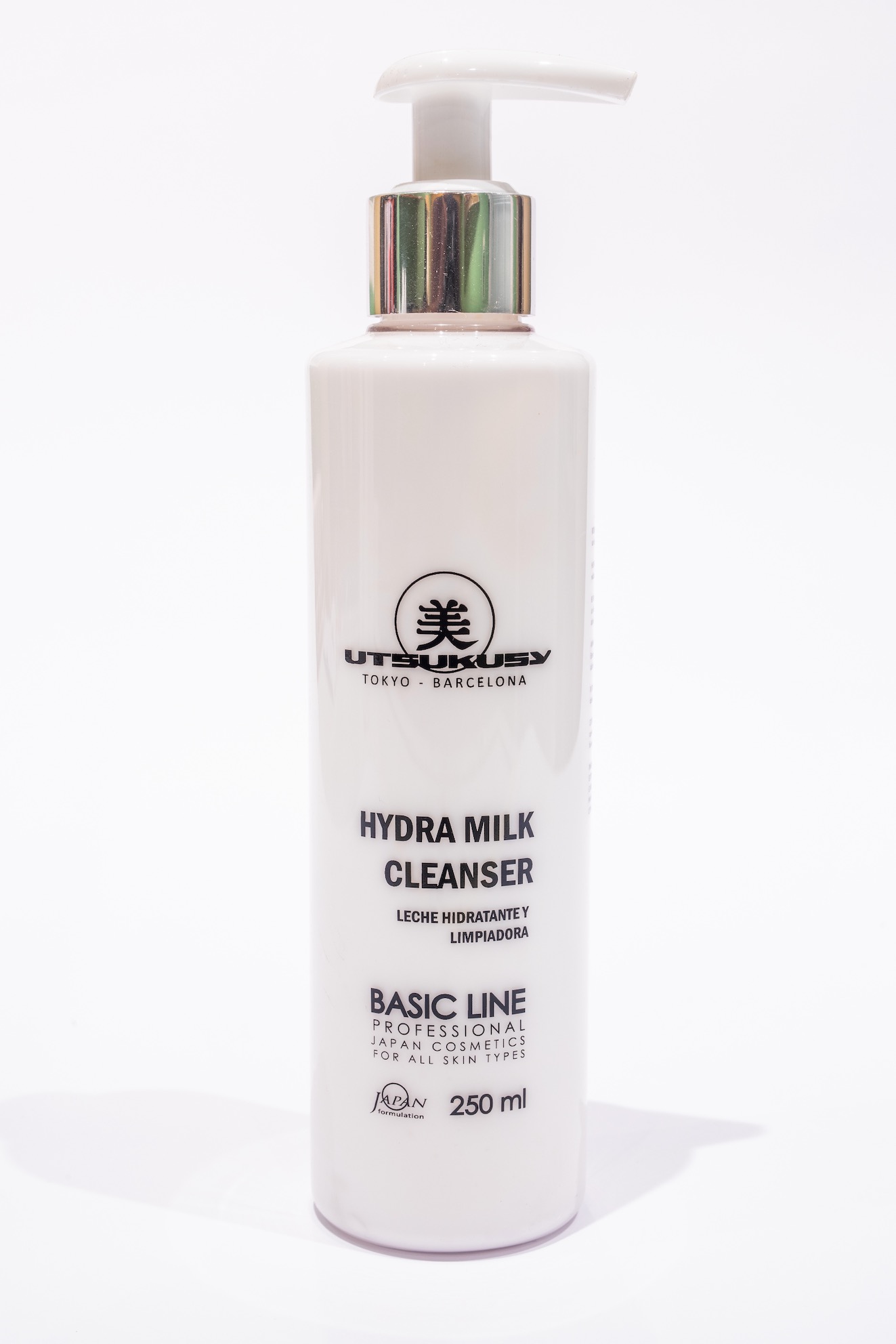
Basic Line Cleansing Milk from Utsukusy Cosmetics
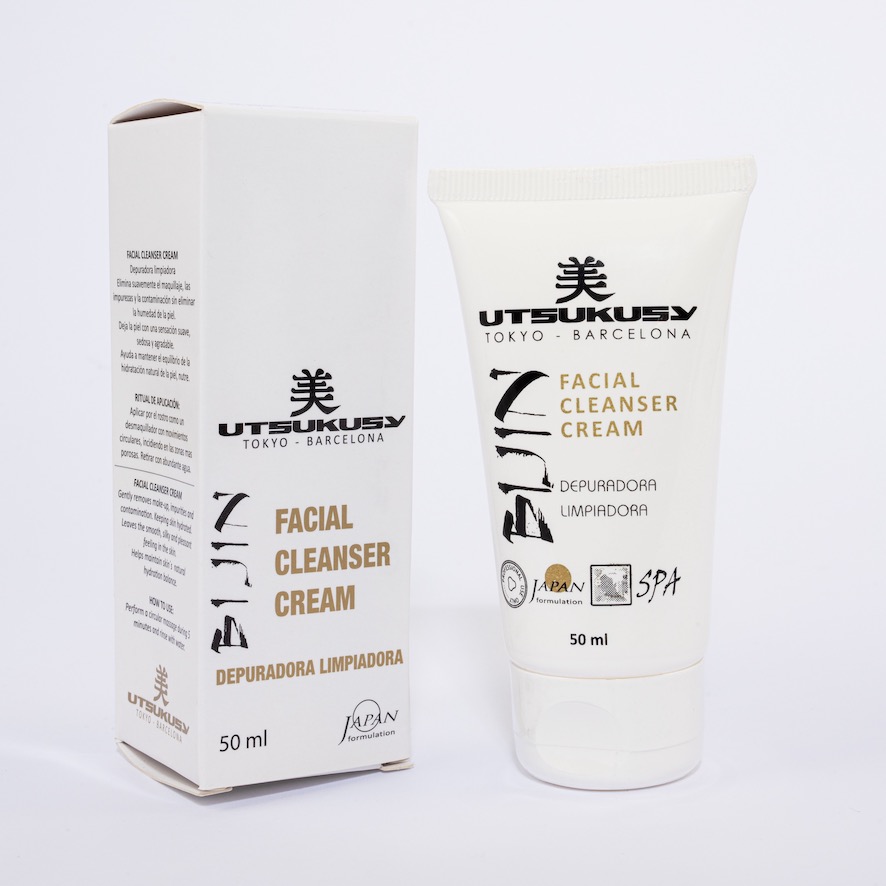
Bijin Cleansing Cream from Utsukusy Cosmetics
Salicylic acid peeling alternatively azelaic acid peeling
As a further step in preparing your skin for microneedling, we recommend the salicylic acid peel from mccosmedics or the salicylic acid peel from Utsukusy Cosmedics. Salicylic acid because it is the only fruit acid that is lipophilic, i.e. fat-soluble.
For this reason, salicylic acid is able to remove oil and sebum from the pores like no other fruit acid. And it is not just fat and sebum that are loosened and removed by salicylic acid, but also dead, keratinised skin cells.
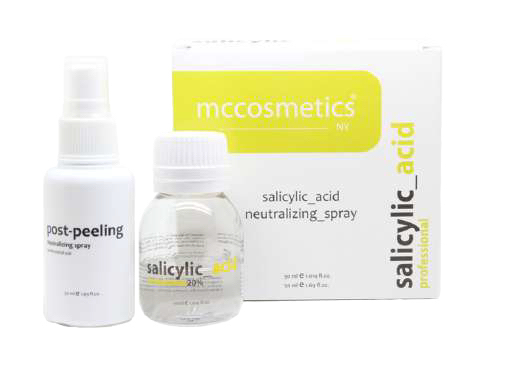
Salicylic acid peeling from mccosmetics
Alternatively, you can also use an azelaic acid peel, as azelaic acid is anti-inflammatory and antibacterial. It also reduces keratinisation.
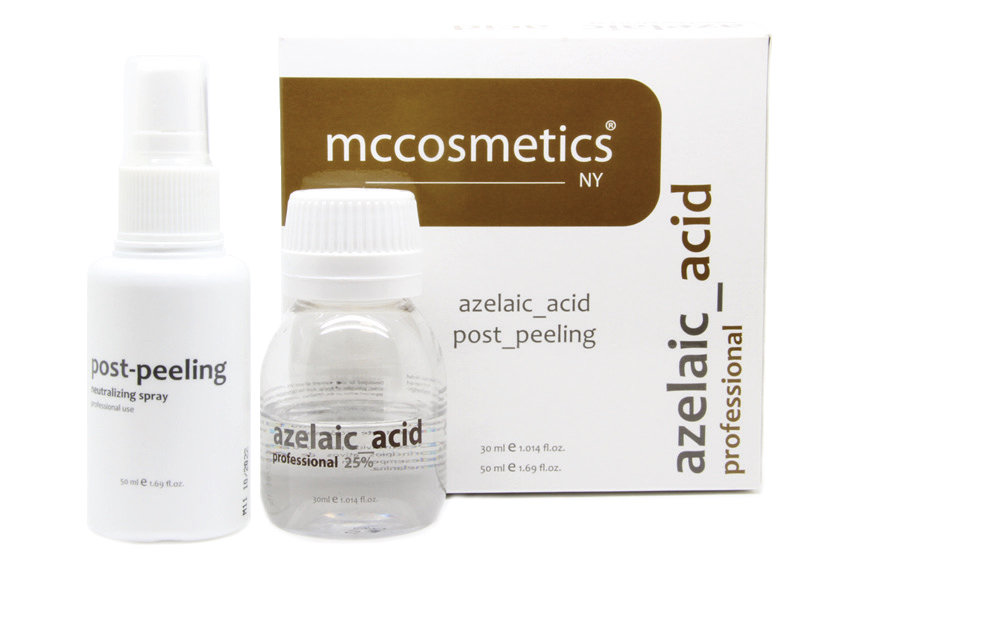
Azelaic acid peeling from mccosmetics
If you use the peels from Utsukusy Cosmetics, the skin is disinfected with a pre-peel solution and prepared for the peel.
The peeling is then applied to the skin with a fan brush.
Leave the peeling on for 4 to 8 minutes and then stop the peeling process by applying the post-peel solution to the skin and leaving it on for 1 to 4 minutes.
The process is slightly different for mccosmetics peels.
Here, a 10% salicylic acid solution takes on the role of the pre-peel solution. You then apply the salicylic acid peel to the skin.
As this is much more intensive than the salicylic acid peel from Utsukusy, as it has a pH value of just 2, it can remain on the skin for a maximum of 1 minute before you stop the peeling process with a post-peel solution.
The actual microneedling treatment
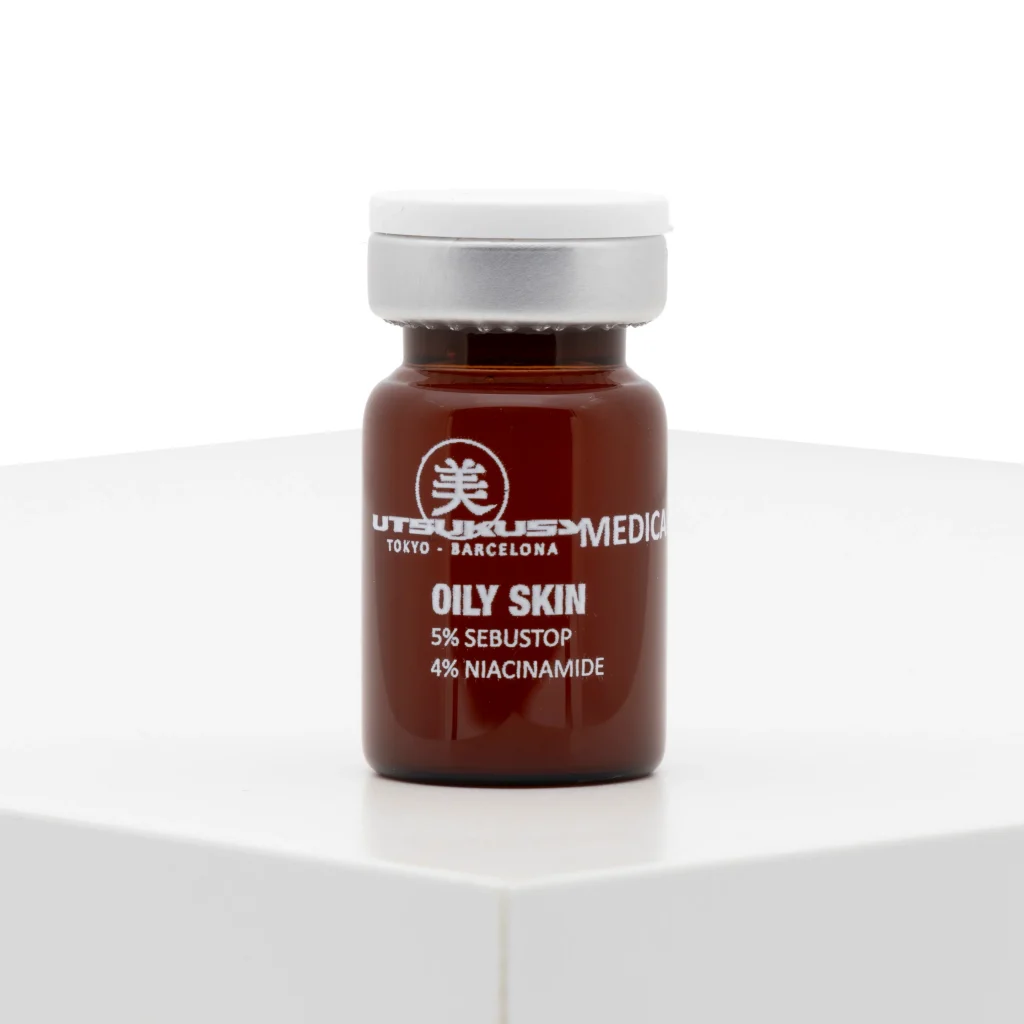
Utsukusy Cosmetics has developed a special microneedling serum called Oily Skin for microneedling oily skin, acne and spots.
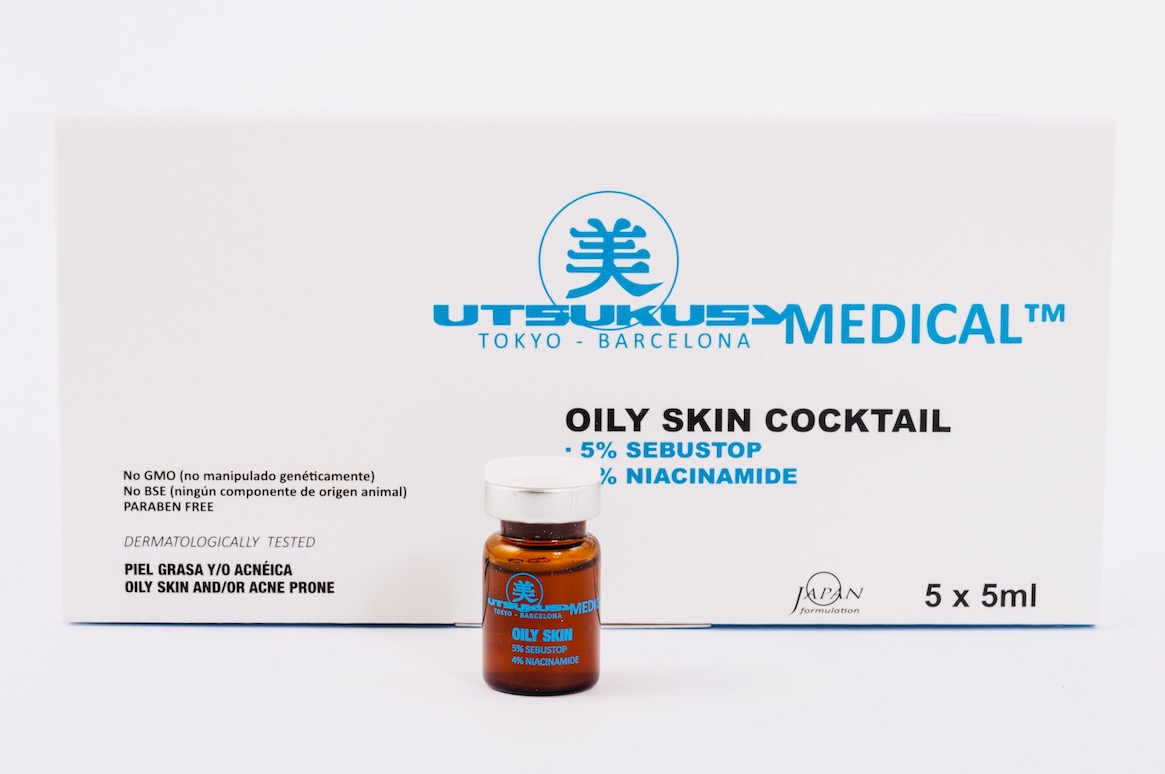
Oily Skin Serum for microneedling oily skin
Microneedling in combination with Oily Skin Serum can lead to unexpected results. The Oily Skin Serum from Utsukusy is supplied in ampoules with enclosed needles and syringes.
For sterile dispensing, remove the white cap. There is a grey plastic membrane underneath. Pierce this with the needle attached to the syringe and draw up the serum into the syringe. This keeps the remainder of the ampoule sterile.
Now remove the needle from the syringe. You can now apply the serum to the skin with the syringe and work it into the skinusing a Dermapen or Dermaroller.
The active ingredient complex of 4% niacinamide and 5% Sebustop used in the Oily Skin Serum leads to a significant reduction in sebum production and therefore to less inflammation and a much more beautiful complexion.
Facial care for oily skin, acne and spots
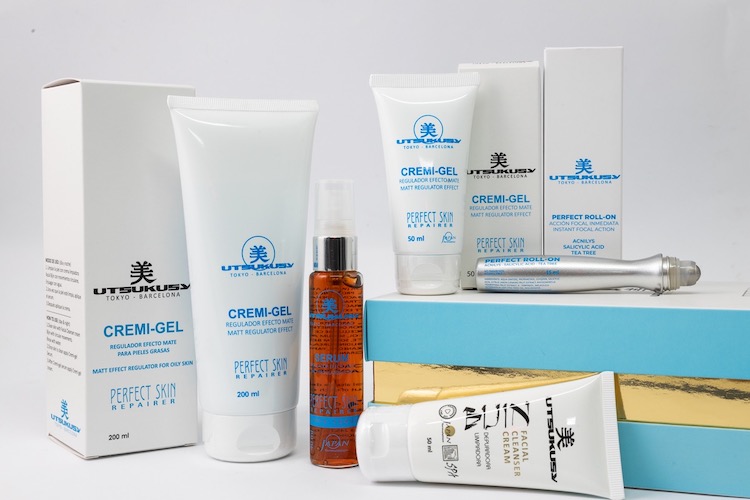
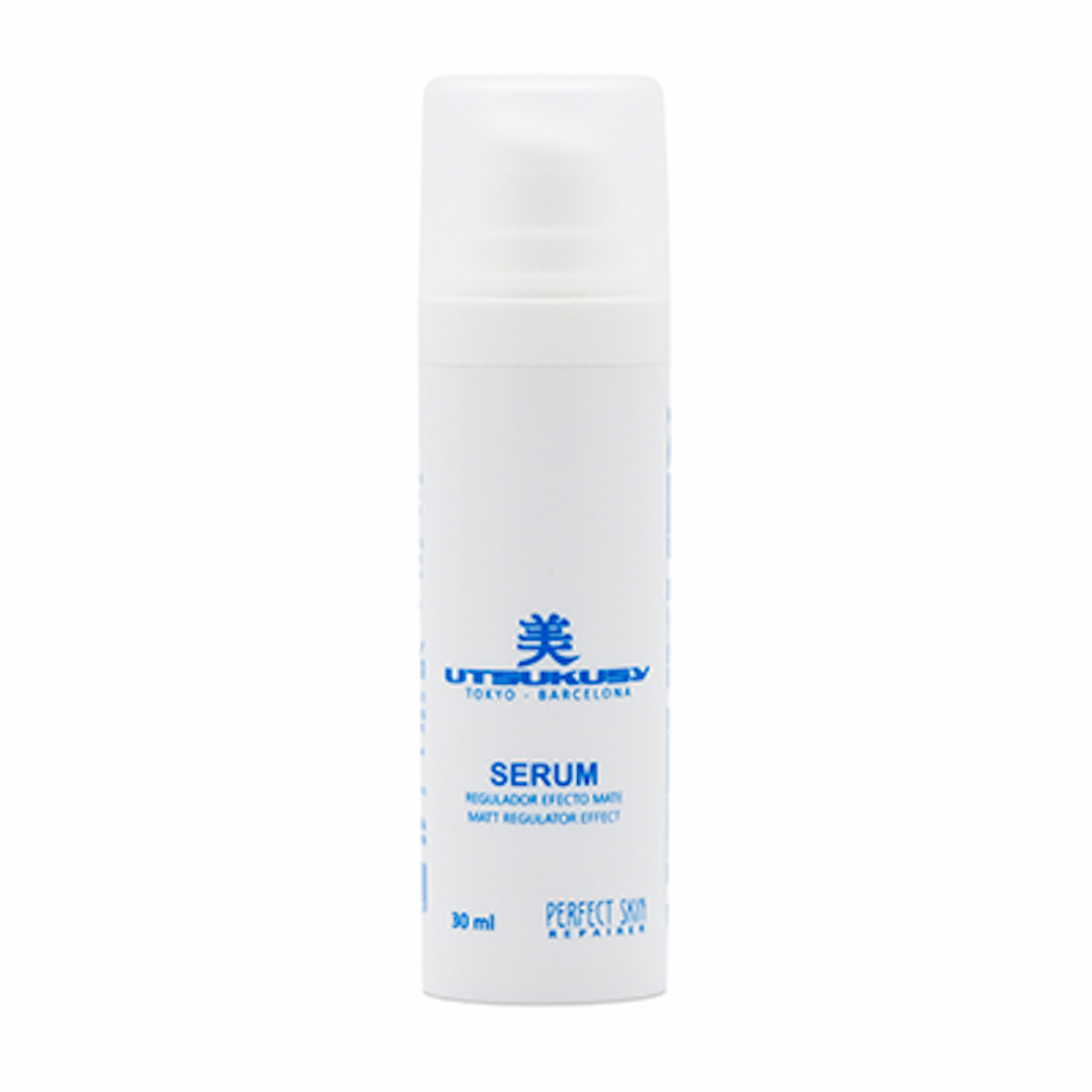
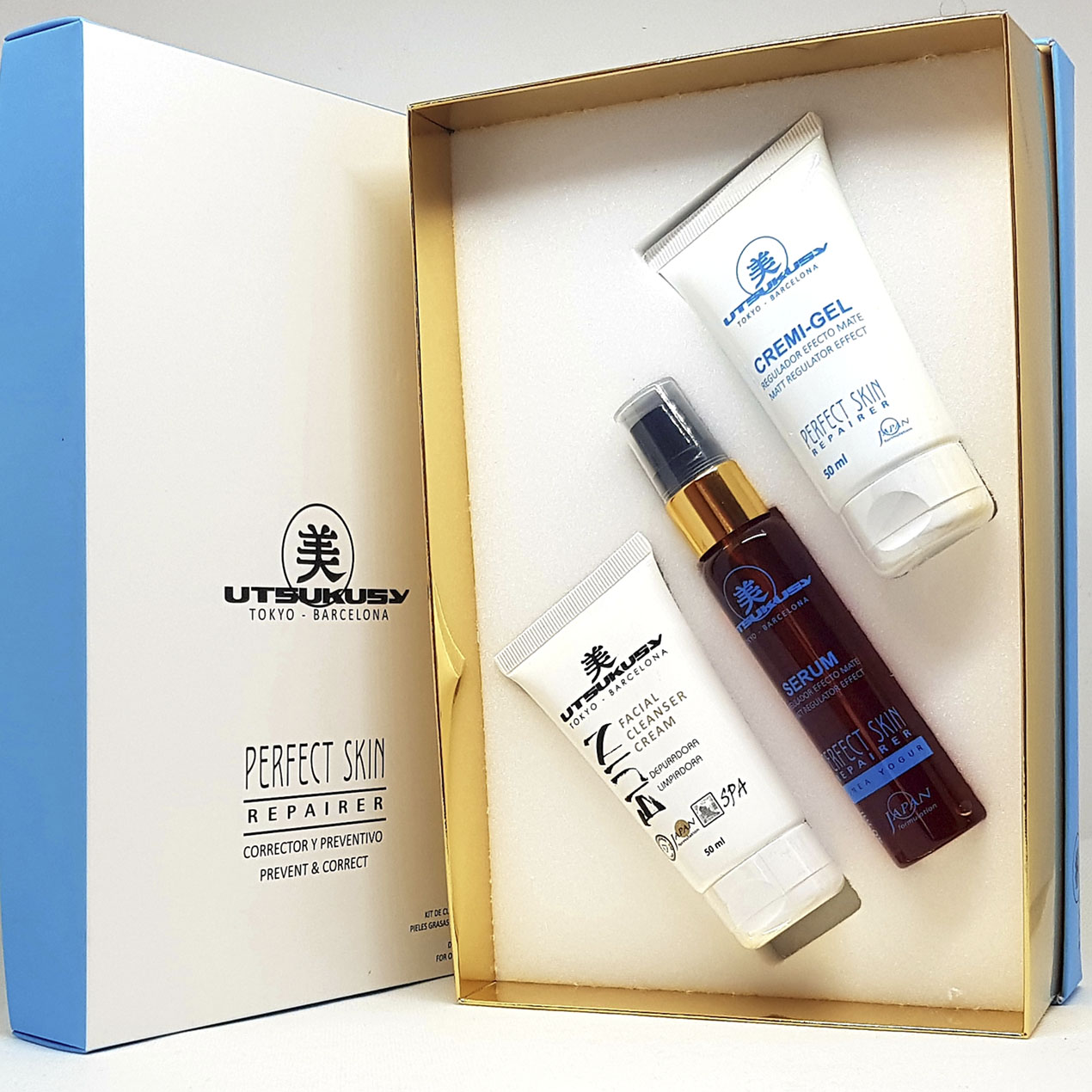
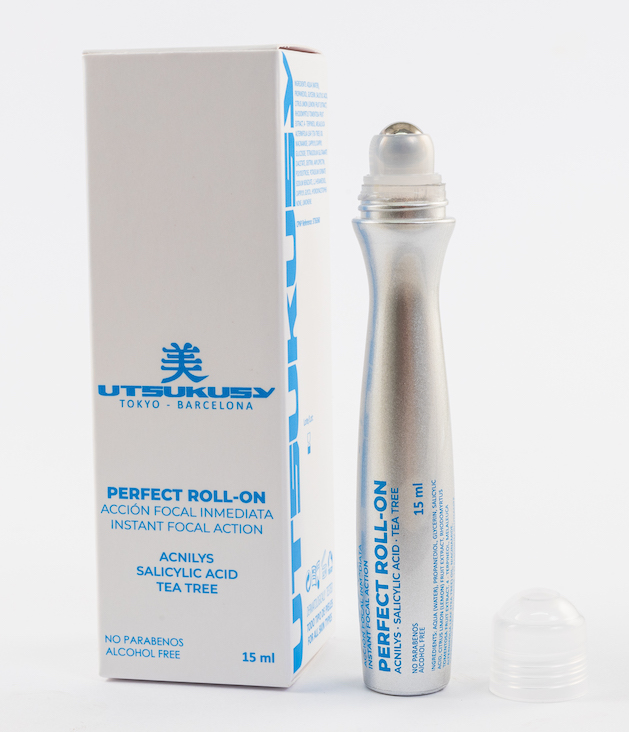
We recommend the products in the Perfect Skin range from Utsukusy Cosmetics for your daily facial care. They have been specially designed for this skin type.
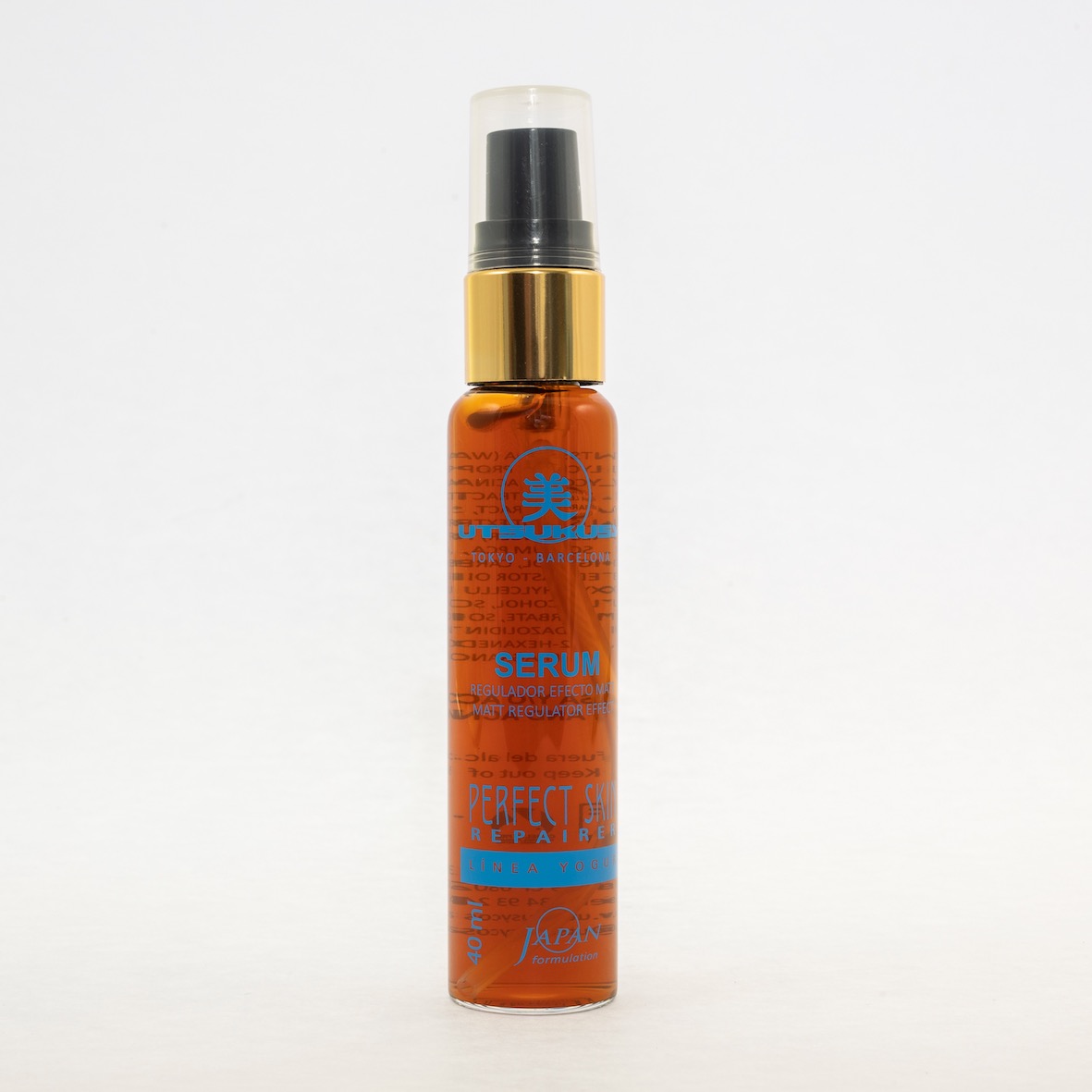
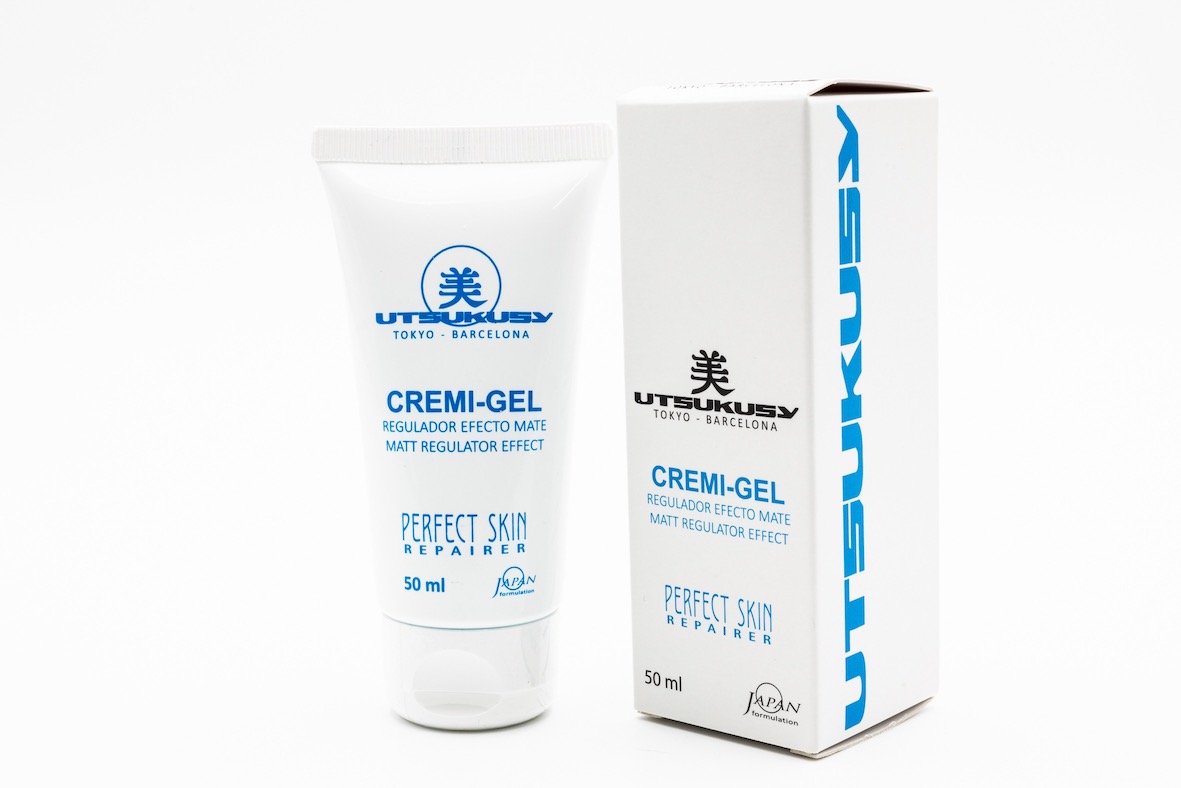
Frequently asked questions about microneedling for oily skin, acne and pimples
How does microneedling help against pimples?
- Promoting collagen production: Microneedling stimulates collagen production in the skin. The tiny needles create micro-tears that stimulate the skin's natural healing process and increase collagen and elastin production. This leads to firmer and smoother skin, which can reduce acne scars.
- Improving skin texture: The treatment improves overall skin texture by minimising enlarged pores and making the skin smoother. This helps to reduce the likelihood of future spots.
- Increased absorption of skincare products: Microneedling increases the absorption of skincare products. The micro-tears in the skin allow serums and creams to penetrate deeper into the skin and maximise their effectiveness.
- Regulation of sebum production: This special serum is designed to regulate sebum production. Excessive sebum production is often a major factor in the development of spots. The serum helps to balance the skin and reduce excess shine.
- Antibacterial properties: The serum contains ingredients with antibacterial properties that help fight bacteria that can cause acne.
- Soothing effect: The serum's formula contains soothing ingredients that soothe redness and inflammation. This is especially important after a microneedling treatment to soothe the skin and promote healing.
- Moisturising: Despite its sebum-regulating effect, the serum ensures that the skin is sufficiently moisturised without over-greasing it. This is crucial to maintain the skin's balance and keep it healthy and hydrated.
How does microneedling fight acne, acne scars and spots?
- Promotes collagen production: Microneedling stimulates the skin's natural collagen and elastin production. This strengthens the skin's structure and helps to reduce acne and acne scars.
- Increases the effectiveness of topical treatments: The tiny needles create micropores in the skin that allow topical acne treatments to penetrate deeper into the skin and work more effectively. treating acne scars with microneedling
- Improve skin texture: Microneedling can improve the appearance of acne scars by making the skin smoother and more even.
- Promote cell regeneration: The healing process after microneedling promotes the formation of new skin cells, which leads to the reduction of scars. Fighting spots with microneedling
- Reduces inflammation: Microneedling can reduce inflammation, which is often associated with the development of spots.
- Regulates sebum production: By stimulating the skin, microneedling can balance sebum production, which helps prevent pimples.
Why is oily skin prone to spots and acne?
- Overproduction of sebum: Oily skin produces excessive amounts of sebum. This sebum can clog pores, especially when mixed with dead skin cells.
- Clogged pores: When pores are blocked by excess sebum and dead skin cells, bacteria can grow more easily, leading to inflammation and acne.
- Bacterial infections: The presence of bacteria in clogged pores can lead to infections, resulting in pustules and inflamed pimples.
- Hormonal influences: Hormonal changes, especially an increase in androgens, can increase sebum production, which increases the risk of acne.
- Genetic factors: Genetics play a significant role in sebum production. If your parents have oily skin, you are more likely to have oily skin and acne.
- Environmental factors: Environmental conditions such as high humidity and pollution can make the skin more oily and increase the likelihood of acne.
- Gentle cleansing: Use mild cleansers that remove excess oil without irritating the skin.
- Non-comedogenic products: Look for skincare products that are labelled "non-comedogenic" as these will not clog pores.
- Regular exfoliation: Gentle exfoliation helps to remove dead skin cells and keep pores clear.
- Healthy diet: A balanced diet can improve skin texture and reduce inflammation. By considering these factors and skincare tips, you can minimise the risk of spots and acne on oily skin.
Can oily skin, acne and pimples be reduced by microneedling with a dermaroller or dermapen?
- Promote collagen production: microneedling stimulates the skin to produce collagen and elastin, which improves skin texture and reduces acne scars.
- Improving skin texture: The micro-wounds created during microneedling stimulate the skin to regenerate, resulting in a smoother skin texture and reducing imperfections.
- Reduction of sebum production: Microneedling can help to regulate sebum production, which is particularly beneficial for oily skin. Reduced sebum production can reduce the risk of clogged pores and therefore acne.
- Increasing the effectiveness of skincare products: The micro-wounds created by microneedling allow deeper penetration of skincare products, increasing their effectiveness.
- Reduction of acne scars: By stimulating collagen production, acne scars are reduced and the skin appears more even.
- Regulation of sebum production: Microneedling helps to regulate the sebaceous glands, which makes the skin less oily and reduces the appearance of acne.
- Minimising pore size: Regular microneedling can reduce pore size, which improves the appearance of oily skin.
Note:
The products offered here are exclusively cosmetic products within the meaning of the EU Cosmetics Regulation (Regulation (EC) No. 1223/2009). They are not classified as medical devices and are not intended to diagnose, treat, cure or prevent any disease.
If the product description refers to "sterile" products, this refers exclusively to the sterile packaging and not to the fact that the product itself is certified as a sterile medical device.
Certain products are expressly intended only for commercial use by professionally trained personnel (e.g. beauticians, alternative practitioners, studios). These products must not be used without appropriate expertise. Please observe the respective instructions in the product description.
The effects and results described refer to cosmetic care and do not replace medical or alternative practitioner treatment. In the case of existing skin diseases or health complaints, we recommend seeking medical advice before use.
All instructions for use, blog posts and product descriptions are for information purposes only and do not constitute medical advice. Use is at your own responsibility and risk.